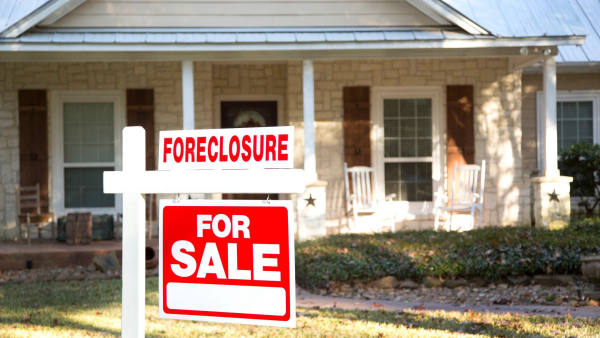
Received a foreclosure notice in Indiana? This step-by-step checklist tells you exactly what to do in the first 30 days to protect your rights and preserve your options.
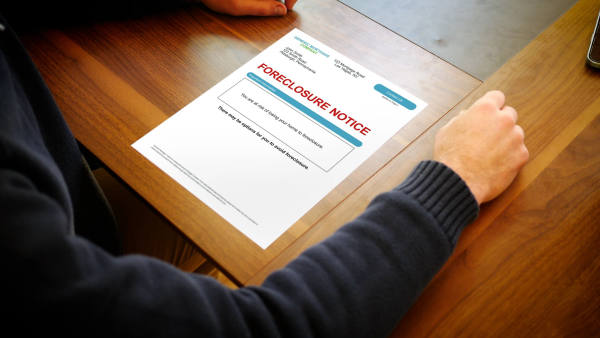
Receiving a foreclosure notice is one of the most stressful moments a homeowner can face. But the worst thing you can do is nothing. Indiana's judicial foreclosure process has specific deadlines, and missing them can permanently eliminate your options. Here is exactly what to do. To learn more, get free foreclosure help in Indianapolis.
Step 1: Read the Notice Carefully and Identify the Type
Indiana foreclosures are judicial — meaning the lender must file a lawsuit and get a court order before selling your home. The notice you receive will be one of several types:
- Notice of Default / Breach Letter — informal notice from your servicer that you are behind
- Summons and Complaint — the actual lawsuit filed in circuit or superior court
- Notice of Sheriff Sale — the scheduled auction date (this comes later in the process)
The Summons and Complaint is the most time-sensitive. You typically have 20 days to file a written response (Answer) with the court.
Step 2: Note Every Deadline
Write down every date mentioned in the notice:
- Date the notice was served
- Deadline to respond (20 days from service for a Summons)
- Any scheduled hearing dates
- Sheriff sale date (if listed)
Put these in your phone calendar with reminders. Missing a deadline can result in a default judgment against you.
Step 3: Do Not Ignore the Lawsuit
Many homeowners make the fatal mistake of ignoring the Summons and Complaint because they know they cannot afford to pay. This is the worst possible response. If you do not file an Answer, the court will enter a default judgment in the lender's favor, and the foreclosure will proceed without any opportunity for you to raise defenses or negotiate.
Step 4: Contact a HUD-Approved Housing Counselor
Indiana has free HUD-approved housing counselors who can help you understand your options at no cost. Contact the Indiana Housing and Community Development Authority (IHCDA) at 1-877-GET-HOPE (1-877-438-4673) or visit their website to find a local counselor. To learn more, download the free Indiana Preforclosure Exit Playbook.
Step 5: Gather Your Mortgage Documents
Pull together:
- Your original promissory note
- Your mortgage or deed of trust
- All correspondence from your servicer
- Your payment history
- Any loan modification applications or denials
These documents are critical if you plan to raise defenses or negotiate.
Step 6: Request a Loan Modification (If You Want to Keep the Home)
If your goal is to keep the house, contact your servicer immediately and request a loan modification application. Under federal law (RESPA), your servicer must acknowledge your request within 5 business days and evaluate it within 30 days of receiving a complete application.
Important: Your servicer cannot dual-track (pursue foreclosure while evaluating a complete modification application) under the Consumer Financial Protection Bureau's mortgage servicing rules.
Step 7: Explore Your Sale Options (If You Want to Sell)
If keeping the home is not realistic, you have several options:
- Cash sale — sell as-is to a cash buyer before the sheriff sale
- Short sale — sell for less than you owe with lender approval
- Deed in lieu — transfer the deed to the lender voluntarily
A cash sale is typically the fastest and cleanest option if you have equity. Even if you are slightly underwater, a cash buyer experienced with distressed properties may be able to negotiate a short payoff with your lender.
Step 8: File an Answer With the Court (Even a Simple One)
If you cannot afford an attorney, you can file a pro se Answer. At minimum, your Answer should:
- Deny the allegations you dispute
- Assert any defenses you have (improper service, standing issues, loan modification pending)
- Request more time if needed
Indiana Legal Services (indianalegalservices.org) provides free legal help to qualifying homeowners facing foreclosure.
Step 9: Attend All Court Hearings
Missing a court hearing is almost as bad as not filing an Answer. The judge can enter a default judgment if you do not appear. Put every hearing date in your calendar and show up.
Step 10: Make a Decision and Act
The worst outcome is paralysis. Every week you wait, your options narrow. Make a decision:
- Fight the foreclosure with legal defenses
- Pursue a loan modification
- Sell the home (cash sale or short sale)
- Negotiate a deed in lieu
Then act on that decision immediately.
Frequently Asked Questions
How long does Indiana foreclosure take? From the first missed payment to the sheriff sale, Indiana foreclosures typically take 6–18 months. The timeline depends on court dockets, whether you respond, and whether you pursue any alternatives.
Can I sell my house after receiving a foreclosure notice? Yes. You can sell at any point before the sheriff sale occurs. A cash buyer can often close in 7–21 days.
What if I cannot afford an attorney? Contact Indiana Legal Services (indianalegalservices.org) or the Indiana State Bar Association's lawyer referral service. Many foreclosure defense attorneys offer free consultations.
Does filing for bankruptcy stop foreclosure? Yes, temporarily. Filing bankruptcy triggers an automatic stay that halts all collection actions, including foreclosure. However, the lender can file a motion to lift the stay.
If you have received a foreclosure notice and need to sell your Indiana home quickly, Bartolini Cash Buyers can help. Vince Bartolini personally evaluates every property and works his network of vetted investors to close fast — often in 7–14 days.
Call or text Vince Bartolini directly: (463) 272-0003
Understanding Indiana Foreclosure Timelines And Important Deadlines
Indiana foreclosure follows a judicial process, meaning the lender must file a lawsuit to proceed with foreclosure. After receiving a foreclosure notice, homeowners typically have 20 to 30 days to file an answer with the court. This initial response period is critical because missing deadlines can result in a default judgment, which accelerates the foreclosure process. The entire timeline generally spans 2 to 4 months from notice to foreclosure sale, but individual cases may vary depending on court schedules and lender action.
Knowing these timelines allows sellers to strategically plan their next steps, whether negotiating with their lender, seeking alternative sale options, or working with Bartolini Cash Buyers. Vince Bartolini personally evaluates each property and can guide sellers on realistic timing expectations so they are not caught off guard by legal procedures. Early response and awareness of deadlines help preserve sellers’ negotiation leverage with lenders or investors in Bartolini’s network.
How Indiana Foreclosure Sales Are Conducted And What To Expect
Once a foreclosure judgment is entered in Indiana, the official foreclosure sale is scheduled and publicly advertised. These sales typically take place at the county courthouse or the sheriff’s office. The property is sold to the highest bidder, which commonly includes the lender if there are no other offers. Sellers should understand that the minimum bid usually equals the outstanding debt plus foreclosure costs, which means personal equity may be lost if the home’s market value is less than the balance due.
Sellers interested in avoiding the public sale can consider working with Bartolini Cash Buyers before the sale date. Vince Bartolini works his network of vetted investors to get homes under contract quickly and coordinate closings through trusted local Indiana title companies. This approach can help sellers avoid additional foreclosure fees, maintain better control over timelines, and potentially receive faster resolution versus waiting for sheriff’s sale outcomes.
Costs Associated With Indiana Foreclosure And Financial Implications For Sellers
Foreclosure in Indiana incurs various costs beyond the unpaid mortgage, including court filing fees, attorney fees, sheriff’s sale costs, and possible deficiency judgments if the sale amount does not cover the total debt. Sellers should be aware these costs can add up and increase financial exposure. Additionally, foreclosure typically damages credit scores and can affect the ability to obtain future housing or loans.
To mitigate these consequences, some sellers explore alternatives like short sales or assigning contracts to investors. Bartolini Cash Buyers gets homes under contract and connects sellers with vetted investors familiar with handling foreclosure-related transactions. Vince Bartolini’s background as a former mortgage broker and loan modification consultant enables him to provide realistic assessments of costs involved and possible financial outcomes, helping sellers make informed decisions before finalizing any agreements.
Key Factors Sellers Should Consider When Choosing How To Respond To Foreclosure
Sellers facing foreclosure in Indiana must balance several considerations: whether to attempt loan modification, pursue a sale before the foreclosure, or file an answer and defend the property in court. The condition of the home, outstanding mortgage balance, timing of foreclosure sale, and seller’s financial situation heavily influence this choice. Homeowners who want to retain the property may prioritize loan workouts, while those needing fast closing tend to explore wholesale contract offers through companies like Bartolini Cash Buyers.
Vince Bartolini personally reviews each property and advises sellers on realistic options based on his extensive local experience. Sellers should weigh the trade-offs between staying in foreclosure limbo, court involvement risks, and potential outcomes from a wholesale contract that gets it closed swiftly through a vetted investor. Understanding these pragmatic factors, as each foreclosure case is unique, helps sellers pick a path that best suits their circumstances and goals.
Frequently Asked Questions About This Topic
How long does it usually take to complete an Indiana foreclosure process?
Indiana's foreclosure process can take from about two to four months after the lender files a lawsuit, depending on court schedules and borrower responses. Because Indiana foreclosures are judicial, homeowners typically have 20 to 30 days to respond to the foreclosure complaint. Early action and legal advice can influence how long the process lasts in individual cases.
Can I still sell my home if a foreclosure notice has been filed in Indiana?
Yes, sellers can sell their home after receiving a foreclosure notice, but timing is crucial. Working with a wholesaler like Bartolini Cash Buyers can help get the property under contract quickly, often before the sheriff’s sale is scheduled. This process connects sellers with vetted investors who can close through local title companies, potentially avoiding foreclosure sale costs and delays.
What costs can I expect during an Indiana foreclosure process?
Foreclosure costs in Indiana may include court filing fees, attorney fees, sheriff’s sale expenses, and potentially deficiency judgments if the sale doesn’t cover the owed mortgage balance. These fees add financial burden beyond the outstanding loan amount. Sellers exploring alternatives like wholesale offers with Bartolini Cash Buyers can sometimes reduce extra costs associated with prolonged foreclosure proceedings.
Navigating Indiana's Foreclosure Redemption Period And Seller Rights
In Indiana, the redemption period gives homeowners a limited window after a foreclosure sale to reclaim their property by paying the full foreclosure sale price plus additional costs. This period typically lasts 30 days but can extend to six months for certain qualifying properties, such as homesteads meeting specific criteria. Understanding whether and how this redemption right applies is crucial because it affects a seller’s timeline for making decisions following the foreclosure sale. Acting during or just after this period requires prompt communication with the involved parties to avoid missing deadlines.
Sellers should be aware that redemption affects their ability to negotiate directly with potential buyers or investors. During redemption, the original homeowner maintains a financial interest in the property, which can complicate direct sale efforts. Once the redemption period expires without repayment, the buyer at the foreclosure sale gains uncontested ownership. Therefore, sellers evaluating their options need to integrate redemption considerations into their strategy, particularly if Bartolini Cash Buyers gets homes under contract in these scenarios where timelines are tightly constrained.
How Indiana Wholesalers Facilitate Foreclosure Solutions From Contract To Closing
When Vince Bartolini gets homes under contract in foreclosure situations, his process is designed to align with Indiana's legal timeline and seller needs. After a seller expresses interest in exploring sale options, Bartolini personally evaluates the property to determine its potential for investors in his vetted network. Once an offer is accepted, this network expedites due diligence and closing coordination through local Indiana title companies, ensuring compliance with state foreclosure intricacies.
The wholesaler role focuses on swift execution within the narrow foreclosure window, which may be as short as 30 days after certain notices or sales. Bartolini’s experience as a former mortgage broker and loan modification consultant gives sellers an informed point of contact who understands both lender expectations and legal timelines. His network works together to close quickly, often preventing unnecessary delays that could worsen a seller's financial outcomes or extend foreclosure proceedings.
Frequently Asked Questions About This Topic
What costs should Indiana homeowners expect during the foreclosure response process?
Homeowners facing foreclosure in Indiana should anticipate costs such as attorney fees if they hire legal counsel, potential court filing fees when submitting an answer, and any outstanding loan payments or fees required by the lender. Additionally, if pursuing a loan modification or paying off sums during redemption, these can entail further expenses. Sellers should carefully assess these costs as they consider whether to keep the home, negotiate with lenders, or explore selling options.
How long does the foreclosure response process typically take in Indiana?
The foreclosure response timeline in Indiana varies, but homeowners usually have between 30 to 60 days from the filing of the foreclosure notice to respond or take action. The redemption period following a foreclosure sale can be 30 days to six months, depending on property type. Overall, the process from initial notice to final sale or redemption may span several months, making timely decisions and communications critical.
How do sellers decide whether to try to keep their home or sell during foreclosure?
Sellers must weigh factors like their financial ability to meet loan modification criteria, the estimated equity remaining in the home, and their timeline before foreclosure sale deadlines. If keeping the home requires unaffordable payments or the risk of further default is high, exploring sale options through wholesalers like Bartolini Cash Buyers, who get homes under contract and connect sellers with investors, may offer a faster and less costly resolution. Personal circumstances and professional advice also influence this choice.
<!-- geo-links injected 2026-10-24 -->Selling somewhere nearby? Start with we buy houses in Yoder or we buy ugly houses in Arcola - and if the house needs serious work, we buy ugly houses in Hoagland covers the as-is angle.
For a plain-English overview, start with the Indianapolis foreclosure help resource — the timeline, the alternatives, and how a cash sale can close in as little as 7 days.
Explore Topics
Written by
Vince Bartolini
Founder & lead offer evaluator, Bartolini Cash Buyers
Vince Bartolini is an Indianapolis real estate wholesaler serving homeowners across Marion, Lake, and Allen counties. He personally evaluates every property, presents a written offer, and works a network of vetted investors to execute the contract — so sellers get one clear path instead of a runaround.