
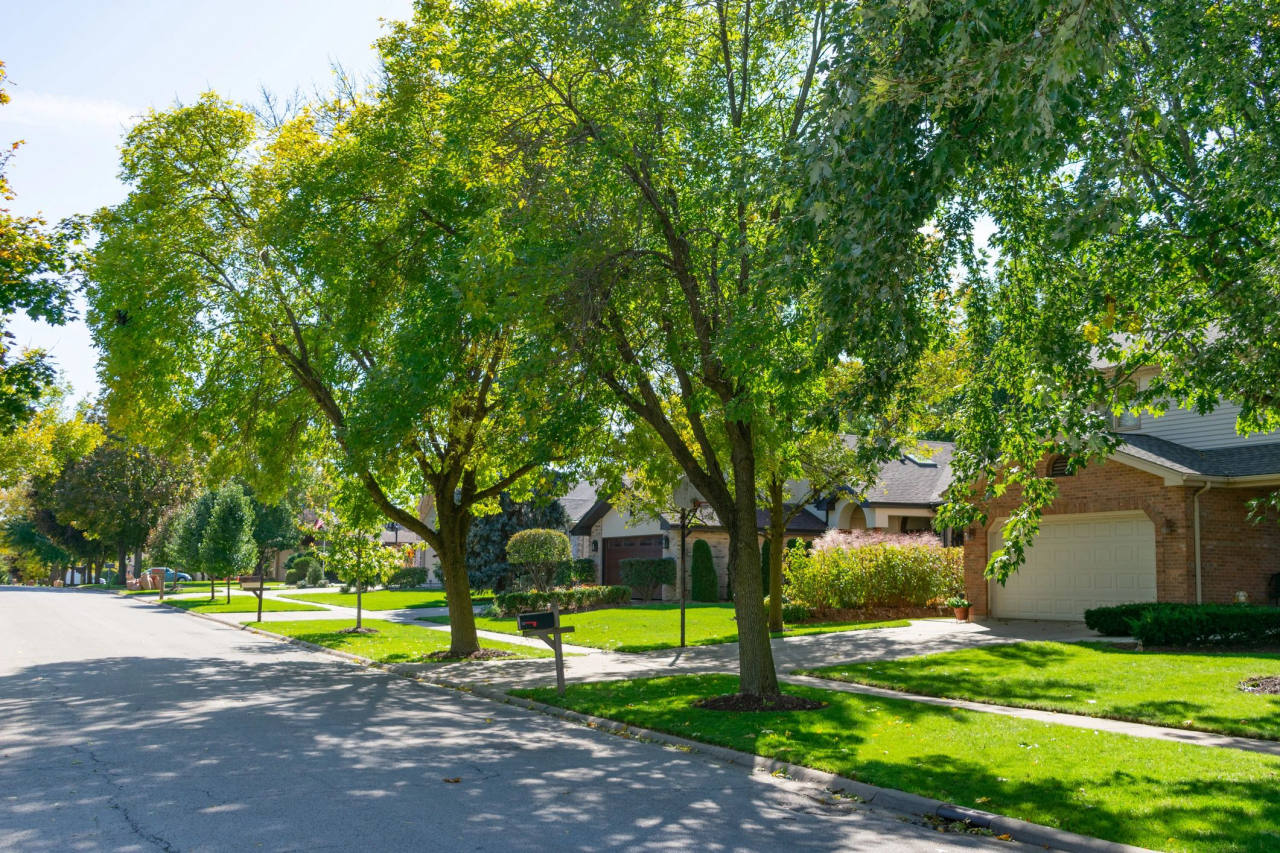
A scheduled sheriff's sale doesn't have to be the end. Indiana homeowners have real options — but the window to act is short. Here's what works.
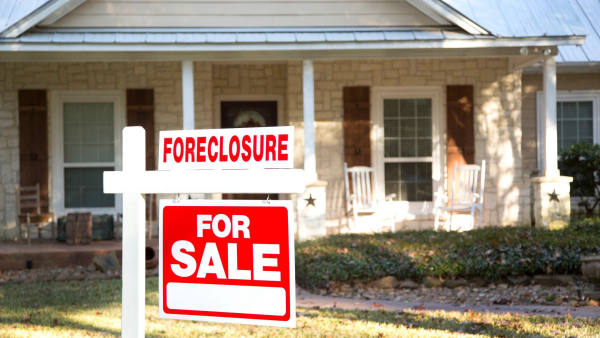
Getting a notice that your home is scheduled for a sheriff's sale is one of the most stressful moments a homeowner can face. Your mind races. You wonder if it's already too late. It might feel like the walls are closing in. To learn more, stop foreclosure in Indianapolis.
Here's the truth: a scheduled sheriff's sale is not the end. Indiana homeowners have real, legal options to stop it — but the window is short, and every day you wait makes those options narrower. To learn more, avoid the sheriff sale in Indiana.
What Is a Sheriff's Sale in Indiana?
In Indiana, a sheriff's sale is a public auction of your property ordered by the court after a foreclosure judgment. It's the final step before ownership transfers to a new buyer. Once the sale happens and the sheriff's deed is recorded, your ownership is gone.
Indiana is a judicial foreclosure state, meaning your lender had to sue you in court and win a judgment before the sale could be scheduled. That process typically takes 6–12 months from your first missed payment. By the time a sale date is set, you're near the end of that timeline.
Option 1: Reinstate the Loan
Reinstatement means paying everything you owe — all past-due payments, late fees, attorney fees, and court costs — in one lump sum before the sale date.
If you can pull this off, the foreclosure stops completely. Your loan goes back to current status and you keep your home.
The challenge: By the time a sheriff's sale is scheduled, the reinstatement amount is often $15,000–$40,000 or more. Most homeowners in foreclosure don't have that kind of cash sitting around. But if you have family who can help, a retirement account you can tap, or another asset you can liquidate quickly, this is the cleanest option.
Option 2: Negotiate a Loan Modification
A loan modification restructures your mortgage — lowering your interest rate, extending your term, or rolling missed payments into the back of the loan — so you can afford the payments going forward.
The problem with modifications when a sale is already scheduled is timing. Lenders move slowly. Getting a modification approved and processed before a sale date that's weeks away is difficult. You'd need to contact your lender immediately, request a postponement of the sale, and have documentation ready.
It's possible, but it requires your lender's cooperation and a lot of hustle on your part.
Option 3: File for Bankruptcy
Filing Chapter 13 bankruptcy triggers an automatic stay — a federal court order that immediately halts all collection actions, including a scheduled sheriff's sale. The moment your bankruptcy petition is filed, the sale must stop.
Chapter 13 lets you propose a repayment plan to catch up on your mortgage over 3–5 years while keeping your home. It's a legitimate tool for homeowners who have steady income but fell behind due to a temporary hardship.
Important caveats:
- Bankruptcy has serious long-term credit consequences (7–10 years on your report)
- You must have income to fund the repayment plan
- If you've filed bankruptcy before, the automatic stay may be limited
- You need an attorney — filing incorrectly can result in dismissal and the sale proceeding anyway
Chapter 7 bankruptcy can also delay a sheriff's sale, but it doesn't stop foreclosure permanently — it just buys time.
Option 4: Sell the Property Before the Sale
This is often the most practical option for homeowners who don't have the cash to reinstate and don't qualify for or want bankruptcy.
If you sell your home before the sheriff's sale, the foreclosure never completes. You pay off the mortgage at closing, the lender releases the lien, and the sale is canceled. Depending on your equity, you may even walk away with money in your pocket.
What you need: A buyer who can close fast. Traditional buyers using bank financing take 30–45 days to close — and that's if everything goes smoothly. If your sale is in two weeks, that's not going to work.
Option 5: Sell to a Cash Buyer
A cash buyer can close in 7–14 days. No bank. No appraisal. No financing contingency. Just a straightforward transaction that puts money in your hands and stops the foreclosure cold.
For Marion County homeowners facing a sheriff's sale, this is often the fastest and cleanest exit available. Here's why it works:
- Speed: Cash buyers don't need mortgage approval. Once you accept an offer, closing can happen in days.
- As-is condition: You don't need to repair or clean the property. Cash buyers buy homes in any condition.
- No commissions: You're not paying a real estate agent 5–6% of the sale price.
- Certainty: There's no risk of the deal falling through because a buyer's financing fell apart.
Even if you owe more than the home is worth, a cash buyer may be able to negotiate a short sale with your lender — where the lender accepts less than the full payoff to avoid the cost and hassle of completing the foreclosure.
Option 6: Request a Postponement
In some cases, you can request that the sheriff's sale be postponed — either by contacting your lender directly or through the court. Lenders sometimes agree to postponements if you're actively working on a solution (modification, sale, etc.).
This doesn't stop the foreclosure — it just buys more time. But more time means more options.
What NOT to Do
Don't ignore it. The sale will happen whether you show up or not. Ignoring the situation doesn't make it go away — it just eliminates your options one by one.
Don't fall for foreclosure rescue scams. If someone promises to stop your foreclosure for an upfront fee, walk away. Indiana has seen a rise in predatory "foreclosure rescue" companies that take money from desperate homeowners and deliver nothing.
Don't wait until the day before. Every option above requires time to execute. The earlier you act, the more choices you have.
How Much Time Do You Have?
In Marion County, sheriff's sales are typically scheduled 60–90 days after a foreclosure judgment. Once the sale date is set, it's publicly listed on the Marion County Sheriff's Office website.
If you've received a notice of sale, check the date immediately. Then count backwards:
- 30+ days out: All options are on the table
- 14–30 days out: Bankruptcy, cash sale, or lender negotiation are your best bets
- 7–14 days out: A cash buyer is likely your fastest option
- Less than 7 days: Call an attorney immediately and explore emergency options
The Bottom Line
A sheriff's sale can be stopped — but only if you act. The homeowners who lose their homes to foreclosure are usually not the ones who ran out of options. They're the ones who waited too long to explore them.
Vince Bartolini at Bartolini Cash Buyers helps Marion County homeowners navigate foreclosure. He's a foreclosure survivor himself — he knows what it feels like to be in your shoes, and he picks up the phone himself.
If you're facing a sheriff's sale and want to understand your options, call (463) 272-0003 today. No pressure. No obligation. Just a straight conversation about what's possible.
Understanding the Post-Sheriff’s Sale Redemption Period in Indiana
Indiana law provides a statutory redemption period after a sheriff’s sale, allowing homeowners a limited time window to redeem their property by paying the sale amount plus applicable fees. This period typically lasts one year for residential properties and 90 days for agricultural land or vacant lots. Understanding this timeline is crucial because the redemption period begins immediately after the sheriff’s sale—you don't have to wait for the foreclosure judgment date to attempt redemption. During redemption, the homeowner must pay the full amount paid at the sale by the purchaser, including any added interest and costs, to reclaim ownership. Because this involves a lump-sum payment, arranging financing can be challenging, but acting within this timeframe provides a last chance to retain ownership.
If you are considering redeeming your property, connect with an Indiana attorney familiar with real estate foreclosure law or a HUD-approved counseling agency for guidance. If you decide to sell, Bartolini Cash Buyers gets homes under contract after evaluating the opportunity, then works his network of vetted investors to get it closed prior to the redemption deadline, avoiding potential loss of title. This process requires swift communication and local title company involvement to ensure proper handling of the transaction within statutory deadlines.
How to Coordinate with Indiana Title Companies for Foreclosure Closings
In Indiana sheriff’s sales, closings post-sale require working closely with title companies experienced in handling foreclosure transactions. These companies prepare the documentation necessary for transferring ownership, ensuring clear title, and addressing any liens or encumbrances. For homeowners or sellers working with wholesalers like Bartolini Cash Buyers, title companies facilitate the closing by coordinating payoff demands, preparing deeds, and disbursing funds as per Indiana law. Due diligence on the title ensures the sale can be completed without hidden risks that could delay or derail the process.
Vince Bartolini personally evaluates each property and collaborates with local title companies well-versed in Indiana foreclosure procedures. Sellers benefit from this network because it expedites the often-complex closing steps required before the sheriff’s sale or in the redemption phase. Early involvement of a title company can clarify any title defects or junior liens, allowing sellers to make informed decisions about selling or redeeming. This cooperation is essential to ensure compliance with Indiana regulations and timely closings required by wholesale investors.
Cost Implications and Timeline Considerations for Stopping a Sheriff’s Sale in Indiana
Costs associated with stopping a sheriff’s sale vary based on the chosen strategy and property status. For example, reinstating a loan involves paying all past-due amounts plus legal and court fees. Filing for bankruptcy could incur attorney fees and add complexity to your case with uncertain timelines that may last several months. Sellers should factor in these costs alongside the limited timeline before the sheriff’s sale date, which can sometimes be as short as 30 days post-foreclosure judgment. Understanding both cost and time pressures helps make strategic decisions about selling or redeeming.
When working with Bartolini Cash Buyers, sellers can avoid potentially high reinstatement or legal fees by choosing to sell the property through a wholesaler who gets homes under contract quickly, offering a solution that bypasses prolonged reinstatement or bankruptcy proceedings. However, these closings must happen promptly because Indiana sheriffs’ sale processes move swiftly once judgment is entered. Vince Bartolini leverages local experience and investor relationships to streamline offers and closings, reducing costs and navigating timelines with precision to meet Indiana foreclosure requirements efficiently.
Frequently Asked Questions About This Topic
Can I stop a sheriff’s sale if my loan is with a government-backed agency?
If your loan is government-backed (like FHA or VA), you still have options such as reinstatement or loan modification, but the process may involve additional federal guidelines. It’s important to consult with a licensed Indiana attorney or HUD-approved counselor to explore specific options tied to your loan type, as these can impact deadlines and how payments toward reinstatement are applied.
What happens if I miss the deadline to stop the sheriff’s sale in Indiana?
If you miss the deadline to reinstate, modify, or sell before the sheriff’s sale, the property is auctioned to the highest bidder. The sale is usually final, but you may have a redemption period depending on property type. After that, the purchaser gets a sheriff’s deed. Consulting a local attorney quickly after missing deadlines can clarify if any additional legal remedies remain.
How long does it typically take Bartolini Cash Buyers to close a deal before a sheriff’s sale?
Bartolini Cash Buyers strives to move swiftly, often closing deals within 7 to 14 days after getting a property under contract. Vince Bartolini personally evaluates each opportunity and connects sellers with vetted investors to ensure a smooth, timely closing. This speed is essential due to Indiana’s tight sheriff’s sale deadlines and the need to complete closings through local title companies.
Understanding Indiana Sheriff's Sale Redemption Period Nuances and Timing
In Indiana, after a sheriff's sale, the former homeowner may have redemption rights, but these rights vary depending on the circumstances of the foreclosure. For example, if the sale involved a mortgage foreclosure, redemption generally allows the borrower to reclaim their property by paying the full sale amount plus additional costs within a set timeframe, usually up to one year for homesteads. However, the redemption period might be shorter or not applicable for non-homestead properties or tax sales. Knowing the specific redemption timeline is critical for homeowners considering stopping the process after the sale but before full title transfer. This nuanced timing also affects potential negotiations or opportunities to act quickly in preventing final loss of ownership.
Because redemption periods differ significantly, sellers facing sheriff’s sales in Indiana should consult professionals promptly. Bartolini Cash Buyers, operating locally through Vince Bartolini’s expertise, helps sellers understand these time-sensitive windows. Vince personally evaluates each property under contract and communicates necessary deadlines to sellers. This enables homeowners to realistically gauge if post-sale redemption is viable or if exploring a wholesaler connection to vetted investors for a sale prior to the sheriff's sale is more practical. Reacting swiftly during or immediately after the sheriff’s sale can influence outcomes more effectively than waiting until the redemption window narrows or closes.
Frequently Asked Questions About This Topic
How much does it typically cost to stop a sheriff’s sale in Indiana?
Stopping a sheriff’s sale can involve various costs depending on the chosen approach, such as paying back owed amounts to reinstate a loan or covering legal fees for bankruptcy filings. There may also be fees for filing motions to postpone the sale or hiring attorneys for negotiations. While some options like selling to a cash buyer connected through wholesalers generally avoid up-front costs, sellers should consider closing costs and any liens. Costs vary widely and timing influences expenses, so consulting professionals early is critical for coming up with a clear financial picture.
What factors should sellers consider when deciding to sell before a sheriff’s sale?
When deciding whether to sell before a sheriff’s sale, sellers should weigh the potential for getting a quicker resolution versus the expected sale price and closing timeline. Selling via a wholesaler like Bartolini Cash Buyers, who connects sellers with vetted investors, can provide a faster route and reduce the risk of additional foreclosure-related fees. However, traditional sales may take longer and face financing hurdles. Sellers must also consider their ability to complete repairs or handle disclosures, as the rapid timelines typical before sheriff’s sales favor buyers prepared to handle homes as-is.
Can filing bankruptcy completely stop a sheriff’s sale in Indiana?
Filing bankruptcy can temporarily halt a sheriff’s sale through an automatic stay that pauses creditor actions, including foreclosure-related sales. However, this stay is not always permanent. Lenders can request the court to lift the stay, particularly if there’s no ongoing repayment plan. The type of bankruptcy filed also affects how long the process buys time. Sellers should understand bankruptcy’s complexities and consult licensed Indiana attorneys to evaluate whether it is an appropriate and feasible strategy given their financial circumstances and foreclosure timelines.
<!-- geo-links injected 2026-10-24 -->Local pages worth a read: cash offer for your Eagledale house, sell your Chapel Hill house as-is, and cash offer for your New Augusta house.
Bartolini Cash Buyers also maintains a step-by-step guide to stopping foreclosure in Indianapolis, including what to do in the final weeks before a scheduled sale.
Written by
Vince Bartolini
Founder & lead offer evaluator, Bartolini Cash Buyers
Vince Bartolini is an Indianapolis real estate wholesaler serving homeowners across Marion, Lake, and Allen counties. He personally evaluates every property, presents a written offer, and works a network of vetted investors to execute the contract — so sellers get one clear path instead of a runaround.