A short sale hurts your credit less than foreclosure — but the details matter. Here's what Indiana homeowners need to know before deciding.
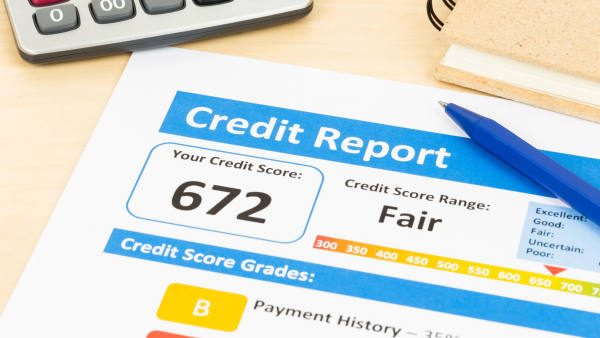
When you're underwater on your mortgage and can't keep up with payments, a short sale is often presented as the "better" alternative to foreclosure. And in many ways, it is. But "better" doesn't mean painless — and understanding exactly what a short sale does to your credit is essential before you make that decision. To learn more, work with a cash home buyer in Indianapolis.
What Is a Short Sale?
A short sale happens when you sell your home for less than you owe on the mortgage, and your lender agrees to accept that reduced amount as full (or partial) satisfaction of the debt.
For example: you owe $180,000 on your mortgage, but the home is only worth $140,000. A buyer offers $140,000. Your lender agrees to accept that amount and release the lien, even though they're taking a $40,000 loss.
Short sales require lender approval, which makes them more complex and time-consuming than a standard sale. But they're a legitimate exit strategy that avoids the full foreclosure process.
How Does a Short Sale Affect Your Credit Score?
A short sale will hurt your credit — there's no way around that. But the impact is generally less severe than a completed foreclosure.
Here's what typically happens:
The missed payments hurt first. By the time most homeowners pursue a short sale, they've already missed several mortgage payments. Each missed payment is reported to the credit bureaus and damages your score. This is often the biggest hit — not the short sale itself.
The short sale is reported as a derogatory mark. Depending on how your lender reports it, a short sale may appear on your credit report as "settled for less than full amount," "paid in full for less than full balance," or simply as a negative account status. The exact language affects how future lenders interpret it.
Score impact varies. A short sale typically results in a credit score drop of 85–160 points, depending on your starting score and how many missed payments preceded it. Homeowners with higher credit scores tend to see larger point drops.
It stays on your report for 7 years. Like most negative credit events, a short sale remains on your credit report for seven years from the date of the first missed payment that led to it.
Short Sale vs. Foreclosure: The Credit Comparison
This is the question most Indiana homeowners ask: is a short sale really better for my credit than letting the foreclosure complete?
Generally, yes — for a few reasons:
Foreclosure is reported more harshly. A completed foreclosure is one of the most damaging entries that can appear on a credit report. It signals to future lenders that you didn't cooperate in resolving the debt — the lender had to go to court to take the property.
Mortgage eligibility waiting periods are shorter after a short sale. If you want to buy another home someday, the waiting period matters:
- After a short sale: typically 2–4 years for a conventional loan (depending on circumstances)
- After a foreclosure: typically 3–7 years for a conventional loan
- FHA loans: 3 years after foreclosure, potentially less after a short sale with no late payments
Future landlords and employers view them differently. Many landlords and some employers run credit checks. A short sale is generally viewed more favorably than a foreclosure because it shows you took proactive steps to resolve the debt.
What About the Deficiency Balance?
Here's a critical piece that many homeowners overlook: in a short sale, your lender takes a loss. In some cases, they can pursue you for that difference — called a deficiency balance.
In Indiana, lenders generally have the right to pursue a deficiency judgment after a short sale unless the short sale agreement specifically waives it. This means you could sell your home, think the debt is resolved, and then receive a lawsuit for the remaining balance.
Before agreeing to a short sale, get written confirmation from your lender that they are waiving the deficiency. This is non-negotiable. An attorney can help you review the short sale approval letter to confirm this language is present.
How Long Does Credit Recovery Take?
Recovery after a short sale is not instant, but it's also not as slow as many people fear. Here's a realistic timeline:
Year 1: Your score is at its lowest. Focus on paying all other bills on time, keeping credit card balances low, and not applying for new credit unnecessarily.
Years 2–3: With consistent on-time payments, your score begins recovering. You may qualify for secured credit cards or auto loans, which help rebuild your profile.
Years 3–4: Many homeowners are eligible for FHA or conventional mortgage financing again, especially if the short sale was due to a documented hardship (job loss, medical crisis, divorce).
Years 5–7: The short sale's impact diminishes significantly. By year 7, it falls off your report entirely.
The key accelerator is time plus consistent positive payment history. Every month you pay your bills on time is a month of recovery.
Is a Short Sale Always the Right Choice?
Not necessarily. A short sale makes sense when:
- You're significantly underwater on the mortgage
- You can't afford the payments and don't qualify for a modification
- You want to avoid the full foreclosure process and its longer credit impact
- Your lender will agree to waive the deficiency
But if you have equity — even a small amount — selling at full market value (including to a cash buyer) is almost always better than a short sale. You pay off the mortgage in full, avoid any deficiency issues, and the sale doesn't appear as a negative mark on your credit at all.
Marion County Homeowners: Know Your Options
If you're behind on your mortgage in Indianapolis and wondering whether a short sale, foreclosure, or a fast cash sale makes the most sense for your situation, the answer depends on your specific numbers — your mortgage balance, your home's current value, and how much time you have.
Vince Bartolini at Bartolini Cash Buyers can walk you through the math honestly. He helps Marion County homeowners navigate exactly these decisions, and he picks up the phone himself.
Call (463) 272-0003 for a no-pressure conversation about your options.
Understanding Indiana Short Sale Approval Process and Lender Criteria
In Indiana, a short sale requires lender approval since the mortgage lender must agree to accept less than the full loan balance to release the lien. Lenders typically require a hardship letter from the homeowner explaining the financial difficulty, along with proof of income and a comparative market analysis or broker price opinion. Since Vince Bartolini is an experienced former mortgage broker, he carefully evaluates each property to determine if it fits common lender criteria before presenting it to his network of vetted investors. This preparation increases the likelihood of lender approval, helping the short sale move smoothly through local Indiana title companies for closing.
Lenders in Indiana often look for sellers who have missed several mortgage payments or who are facing imminent foreclosure. The approval process can involve a lengthy review, including verification of homeowner financials and a title search to ensure no secondary liens complicate the transaction. Because Bartolini Cash Buyers works closely with investors who understand these lender requirements, they streamline the process, negotiating from within local standards and timelines. Sellers should be prepared for a process that can take a few months and be ready to provide necessary documentation promptly.
Typical Costs, Timeline, and Closing Steps in Indiana Short Sales
While short sales may reduce the burden of foreclosure, sellers in Indiana should know the typical costs associated with the process. Sellers may need to pay closing costs, prorated property taxes, and any agreed-upon settlement amounts to lenders. Since Bartolini Cash Buyers gets homes under contract and then works his network of vetted investors to get it closed, sellers benefit from a smoother transaction without directly handling buyer negotiations. However, sellers should budget for home inspection fees, outstanding HOA dues, or minor repairs often required to finalize a sale.
The timeline for an Indiana short sale typically spans 60 to 120 days, depending on lender responsiveness and the completeness of seller documentation. Once an offer is accepted by the lender, Indiana title companies coordinate closing, which includes verifying clear title, coordinating payoffs, and confirming that lien releases are recorded. Bartolini Cash Buyers ensures every transaction follows this local procedure so sellers can expect a process similar to standard real estate closings but with added lender approval steps.
Seller Decision Factors: When to Use a Wholesaler in Indiana Short Sales
Choosing to work with a wholesaler like Bartolini Cash Buyers can be a strategic decision for Indiana homeowners facing the short sale process. Sellers often prioritize speed and certainty in the current market, and Bartolini’s approach of getting homes under contract and connecting sellers with vetted investors can reduce the delays common in traditional sales or direct short sale negotiations with lenders. Vince Bartolini’s background as a former mortgage broker adds valuable insight into timing and lender requirements, helping sellers avoid pitfalls that could prolong or jeopardize a short sale.
Another factor influencing sellers is the level of paperwork and negotiation required during a short sale. For homeowners unfamiliar with the process or lacking time, partnering with Bartolini Cash Buyers can simplify the experience by transferring much of the coordination to experienced investors who understand Indiana’s legal and lending environment. Ultimately, sellers should consider their financial status, timeline needs, and willingness to engage with multiple lender parties when deciding if working with a wholesaler is their best path forward.
Frequently Asked Questions About This Topic
Can I apply for a new mortgage in Indiana after a short sale?
Yes, Indiana lenders typically allow homebuyers to apply for a new mortgage after a short sale, but wait times vary depending on loan type. Conventional loans usually require a 2-4 year waiting period after the short sale, while FHA and VA loans may have shorter waiting periods or exceptions with sufficient credit rebuilding. Contacting a mortgage professional or loan officer experienced in Indiana loans can help clarify specific timelines.
What happens to property taxes after a short sale in Indiana?
In Indiana, property taxes remain the responsibility of the homeowner until the short sale officially closes. Sellers should pay any outstanding taxes before or at closing to prevent liens from escalating or impacting title transfer. Bartolini Cash Buyers coordinates with local Indiana title companies to ensure tax obligations are identified and addressed during closing, reducing surprises for the seller.
Is it possible to avoid deficiency judgments after an Indiana short sale?
In Indiana, the lender may pursue a deficiency judgment for the difference between the mortgage owed and the short sale price unless the lender specifically waives this right during approval. Sellers should consult a licensed Indiana attorney to understand how deficiency balances might apply in their case. Bartolini Cash Buyers helps sellers navigate realistic expectations but defers legal questions to qualified professionals.
Navigating the Indiana Short Sale Approval Timeline and Key Milestones
In Indiana, the timeline for short sale approval varies but generally spans from 60 to 120 days depending on the lender's workload and the complexity of the transaction. After a homeowner submits a short sale package—which includes hardship letters, financial documentation, and the sale contract—the lender begins a period of review that can take several weeks. This review process includes verification of borrower eligibility and property valuation by appraisers and underwriting teams.
During this waiting period, Bartolini Cash Buyers plays an important role by getting homes under contract promptly and coordinating closely with all parties to keep the process moving. Once the lender conditionally approves the short sale, the transaction moves to final documentation and scheduling closing. Indiana title companies facilitate the closing step, ensuring liens are addressed and ownership transfers properly. Sellers should anticipate periodic communication and potential document requests before the deal finalizes, impacting the overall timeline.
How Bartolini Cash Buyers Supports Sellers in Maximizing Credit Outcomes Post-Short Sale
While lenders ultimately report credit outcomes, working with an experienced Indiana-based wholesaler like Bartolini Cash Buyers can influence the smooth handling of the post-short sale process. Vince Bartolini personally evaluates each property, confirming contracts align with lender criteria and accelerating approvals by connecting sellers with vetted investors prepared to close efficiently.
By getting homes under contract quickly and coordinating with local title companies for closing, Bartolini Cash Buyers mitigates delays that often negatively impact credit reporting. The wholesaler’s network and on-the-ground experience help sellers avoid dragging timelines that lead to prolonged delinquency marks. This practical approach supports better short sale status reporting on credit files, which can improve the timeline and extent of credit recovery after closing.
Frequently Asked Questions About This Topic
What costs should Indiana sellers expect during a short sale?
Sellers should anticipate typical costs including payoff of outstanding liens, potential short sale processing fees imposed by lenders, and standard closing costs handled by Indiana title companies. Since Bartolini Cash Buyers gets homes under contract and works with vetted investors, sellers usually avoid realtor commissions but may encounter administrative fees. It’s wise to review all cost details early in the process with your wholesaler and consult with a licensed Indiana professional about any financial concerns.
Can I negotiate the short sale price with my lender in Indiana?
Negotiations on short sale price generally occur between the seller’s lender and investors once a contract is in place. While the seller may initiate offers, final approval comes from the lender based on property value and loss mitigation guidelines. Bartolini Cash Buyers helps by presenting realistic contract terms to lenders through their network of vetted investors, streamlining the process, but sellers should understand the lender’s authority is final in price decisions.
How does a short sale impact my ability to rent or buy another home in Indiana?
After a short sale, Indiana homeowners typically face waiting periods before qualifying for new mortgages, often around two to four years depending on lender overlays and VA/FHA guidelines. Renting is usually less restrictive and possible immediately, but landlords may require proof of steady income or explanation of the short sale. Bartolini Cash Buyers assists sellers in closing cleanly and efficiently, which can help reduce negative credit impacts that affect future housing applications.
<!-- geo-links injected 2026-10-24 -->Selling somewhere nearby? Start with we buy houses in Fall Creek Place or we buy ugly houses in Chatham-Arch - and if the house needs serious work, we buy houses in Lockerbie Square covers the as-is angle.
For a plain-English overview, start with the Indianapolis foreclosure help resource — the timeline, the alternatives, and how a cash sale can close in as little as 7 days.
Written by
Vince Bartolini
Founder & lead offer evaluator, Bartolini Cash Buyers
Vince Bartolini is an Indianapolis real estate wholesaler serving homeowners across Marion, Lake, and Allen counties. He personally evaluates every property, presents a written offer, and works a network of vetted investors to execute the contract — so sellers get one clear path instead of a runaround.