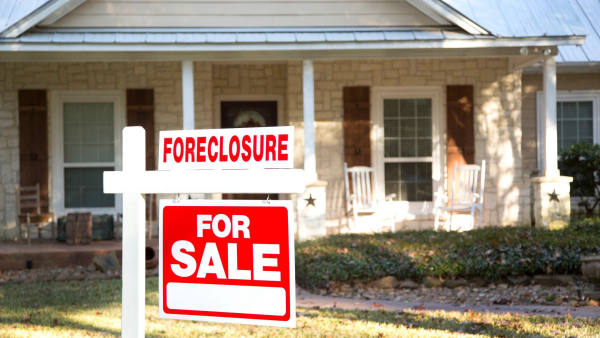
A sheriff's deed transfers your home to a new owner after foreclosure. Here's what it means, when it's issued, and what options you still have.
If you've received foreclosure paperwork in Indiana, you may have come across the term "sheriff's deed." It sounds intimidating — and honestly, it should get your attention. But understanding exactly what it means gives you the power to act before it's too late. To learn more, avoid the sheriff sale in Indiana.
What Is a Sheriff's Deed?
A sheriff's deed is a legal document that transfers ownership of a property from the foreclosed homeowner to the winning bidder at a sheriff's sale. In Indiana, once a court orders a foreclosure judgment, the property is scheduled for a public auction — the sheriff's sale. When that auction concludes, the winning bidder receives a sheriff's deed as proof of ownership.
Think of it as the final step in the foreclosure process. Once a sheriff's deed is issued and recorded with the county recorder's office, your ownership of the property is legally extinguished.
How Does Indiana's Foreclosure Process Lead to a Sheriff's Deed?
Indiana is a judicial foreclosure state, which means your lender must go through the court system to foreclose on your home. Here's the general sequence:
- Missed payments — Typically 3–6 months of missed mortgage payments trigger the process.
- Notice of default — Your lender files a lawsuit and you receive a summons.
- Court judgment — If you don't respond or the court rules in the lender's favor, a foreclosure judgment is entered.
- Sheriff's sale scheduled — The court orders the property sold at public auction, usually within 60–90 days of the judgment.
- Sheriff's sale held — The property is auctioned. The highest bidder wins.
- Sheriff's deed issued — The winning bidder receives the deed, completing the transfer of ownership.
From the moment a sheriff's deed is recorded, you no longer own the property.
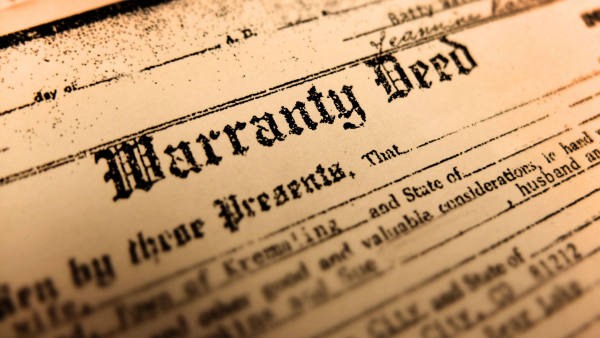
Is a Sheriff's Deed the Same as a Warranty Deed?
No — and this distinction matters if you're a buyer at a sheriff's sale. A warranty deed guarantees clear title and protects the buyer against future claims. A sheriff's deed carries no such guarantee. The new owner takes the property "as-is," subject to any liens, back taxes, or title issues that weren't cleared in the foreclosure.
For the homeowner being foreclosed on, this distinction doesn't change much. Either way, your ownership ends.
What Happens to You After a Sheriff's Deed Is Issued?
Once the sheriff's deed is recorded, you become a tenant in a property you no longer own. The new owner — whether that's the bank, an investor, or a private buyer — has the legal right to begin eviction proceedings.
In Indiana, the eviction process after a sheriff's sale typically moves quickly. You may receive a notice to vacate within days of the deed being recorded. If you don't leave voluntarily, the new owner can file for a writ of possession through the courts.
Beyond losing your home, a completed foreclosure and sheriff's deed issuance will:
- Damage your credit score significantly — typically 100–150 points or more
- Remain on your credit report for 7 years
- Make it harder to rent — many landlords screen for foreclosure history
- Affect future mortgage eligibility — most lenders require a 3–7 year waiting period after foreclosure
Can You Stop a Sheriff's Deed From Being Issued?
Yes — but the window to act narrows quickly. Here are the options available to Indiana homeowners before a sheriff's deed is recorded:
Reinstatement
If you can pay all past-due amounts, fees, and court costs before the sheriff's sale, you can reinstate your loan and stop the foreclosure entirely. This requires coming up with a significant lump sum, which isn't realistic for most homeowners in financial distress.
Loan Modification
Some lenders will pause the foreclosure process to negotiate a loan modification. This works best early in the process — not days before a scheduled sale.
Bankruptcy (Chapter 13)
Filing Chapter 13 bankruptcy triggers an automatic stay, which temporarily halts the sheriff's sale. This buys time to reorganize your debt, but it's a complex legal process with long-term consequences.
Selling the Property
If you have equity — or even if you're close to breaking even — selling your home before the sheriff's sale is often the cleanest exit. You pay off the mortgage, avoid the foreclosure on your record, and potentially walk away with cash in hand.
Selling to a Cash Buyer
If time is short and the property needs work, a cash buyer can close in days — not months. There's no listing, no showings, no waiting on bank financing. A cash offer can be accepted and closed before the sheriff's sale date, stopping the deed from ever being issued.
What If the Sheriff's Deed Has Already Been Issued?
In Indiana, there is no statutory right of redemption after a sheriff's sale for most residential foreclosures. Once the deed is recorded, the process is complete. Your options at that point are limited to negotiating a cash-for-keys arrangement with the new owner or challenging the foreclosure in court — which requires a valid legal basis and an attorney.
This is why acting before the sale is so critical.
Marion County Sheriff's Sales: What You Need to Know
In Marion County (Indianapolis), sheriff's sales are conducted by the Marion County Sheriff's Office and are typically held weekly. Properties are listed on the sheriff's office website, and sales are open to the public.
If your property is on that list, the clock is ticking. The sale date is not a suggestion — it's a deadline.
Your Best Move: Act Before the Deed Is Issued
The sheriff's deed represents the end of the road in Indiana's foreclosure process. But it doesn't have to be your ending. Homeowners who reach out early — even when they're behind on payments and the situation feels hopeless — often have more options than they realize.
Selling your home for cash before the sheriff's sale can stop the foreclosure, protect your credit, and give you time and money to start fresh. Vince Bartolini at Bartolini Cash Buyers knows exactly how to navigate this situation. He picks up the phone himself and will give you a straight answer about your options — no pressure, no obligation.
Call (463) 272-0003 today. The sooner you reach out, the more options you have.
Detailed Steps in Indiana's Sheriff's Deed Foreclosure Process
Indiana's sheriff's deed foreclosure process begins with a judgment in favor of the lender or creditor after a homeowner defaults. The court orders a sheriff's sale to liquidate the property and satisfy the debt. Notice of the sale must be published in a local newspaper for four consecutive weeks and posted on the courthouse door, ensuring transparency. On the sale day, interested parties, including investors working with wholesalers like Bartolini Cash Buyers, place bids.
If the property sells at the sheriff's sale, the successful bidder must pay the full bid amount within a specified time, usually within 24 hours or a few days depending on local rules. After payment, the court issues the sheriff's deed to transfer ownership from the debtor to the winning bidder. Bartolini Cash Buyers connects sellers with vetted investors who navigate these timelines and steps to get closings handled efficiently through Indiana title companies.
Costs and Timeline Factors for Indiana Sheriff's Deed Transfers
The timeline from the start of foreclosure to issuance of a sheriff's deed in Indiana typically spans several months. It often takes 3 to 6 months from the initial default to the sheriff's sale, which requires strict adherence to statutory notices and redemption periods. After the sale, finalizing the sheriff's deed can take a few additional weeks, depending on payment clearance and court processing.
Costs associated with sheriff's deed foreclosures include court fees, sheriff's sale costs, publication expenses, and property taxes in arrears. Buyers at the sheriff's sale must consider these costs as part of their overall investment. Bartolini Cash Buyers works through these financial and scheduling realities by getting homes under contract early and collaborating with investors who budget for all such expenses, ensuring smoother closings within Indiana’s legal framework.
Why Seller Decision Factors Matter Before a Sheriff's Deed Auction
Sellers facing foreclosure with a sheriff's deed looming must weigh numerous factors before the auction. Accepting an offer from a wholesaler connected to investors can sometimes avoid the protracted timeline and complex costs of a sheriff’s sale. Sellers should consider market conditions, the equity remaining, and how quickly they need to resolve the sale.
Other decisions involve understanding that once the sheriff's deed is issued, the homeowner loses the right to redeem the property. Therefore, evaluating offers from companies like Bartolini Cash Buyers, who get homes under contract early, can provide control and certainty. Sellers benefit from consulting licensed Indiana attorneys or housing counselors to fully understand these implications before the sheriff's sale changes ownership and options become limited.
Frequently Asked Questions About This Topic
What should sellers expect as the timeline after a sheriff's sale in Indiana?
After a sheriff's sale, the winning bidder must pay promptly, usually within a day or two, to secure the property. Once payment is made, the court processes the sheriff's deed, which can take several weeks. The seller’s rights to redeem the property typically end at the time of the sale, so this post-sale period is critical for both parties to complete ownership transfer properly.
How does Bartolini Cash Buyers work with investors during a sheriff's deed situation?
Bartolini Cash Buyers gets homes under contract before the sheriff's sale is finalized, then works his network of vetted investors to get it closed quickly through local Indiana title companies. This approach helps remove some uncertainties of court-timed foreclosures by providing sellers a path to sell outside of the public auction process.
Can unpaid property taxes affect the sheriff's deed transfer in Indiana?
Yes, unpaid property taxes can accumulate as liens on the property and impact the sheriff's deed transfer. Buyers and wholesalers must factor these tax obligations into their closing calculations. Bartolini Cash Buyers carefully evaluates each property’s tax status and works with investors who understand how these costs influence the total investment during closing.
Steps to Navigate an Indiana Sheriff's Sale Timeline and Closing Costs
The process following a sheriff's sale in Indiana involves several key steps that impact timeline and costs. After a successful bid at sheriff's sale, the winning bidder must deposit the full purchase price within a specified time frame, generally within 24 to 72 hours. Failure to comply can result in forfeiture of the deposit and re-auctioning of the property. Following payment, a redemption period may apply, allowing the former owner a limited time to reclaim the property by paying the full bid amount plus fees, though this can vary widely by county.
Once the redemption period ends without claimant action, the sheriff issues the sheriff's deed, officially transferring ownership to the winning bidder or investor working behind the scenes as part of a wholesaler’s network. Closing costs include sheriff sale fees, recording fees, and potential back taxes or liens that the buyer must satisfy. These can add thousands to the cost above the purchase price. Bartolini Cash Buyers understands these variables and coordinates with local title companies to estimate closing costs accurately and keep closings on track for sellers and investors alike.
Frequently Asked Questions About This Topic
What is the redemption period after a sheriff's sale in Indiana?
In Indiana, the redemption period is a set timeframe during which the former owner can pay the full amount owed plus fees to reclaim their property even after a sheriff's sale. The length can differ by county and circumstance, so it's important to confirm local rules. If the redemption period expires without payment, the sheriff's deed becomes final and ownership transfers to the winning bidder.
Are property taxes automatically cleared when a sheriff's deed is issued?
No, sheriff's deeds in Indiana often do not clear existing property tax liens by default. Buyers should conduct a title search to understand what taxes or liens remain attached. Clearing these obligations is crucial before closing property transactions, and wholesalers like Bartolini Cash Buyers connect sellers and investors who are familiar with these details and work with title companies to resolve outstanding items.
Can a homeowner negotiate with Bartolini Cash Buyers before a sheriff's sale?
Yes, homeowners facing foreclosure can contact Bartolini Cash Buyers to discuss options before the sheriff's sale occurs. Vince Bartolini personally evaluates the property and connects sellers with vetted investors to get homes under contract and closed efficiently. Early engagement allows more flexibility and potentially better outcomes compared to waiting for sheriff's sale or deed issuance.
Practical Steps to Work With a Sheriff's Deed Property in Indiana
Once a sheriff's deed is issued in Indiana, sellers and potential buyers can take several practical steps to navigate this process effectively. For someone looking to sell a home that may be nearing foreclosure or a sheriff’s sale, Bartolini Cash Buyers gets homes under contract quickly to avoid the lengthy sheriff's sale process. Vince Bartolini personally evaluates each situation to provide an offer reflecting current market conditions and the possible foreclosure risks involved. Sellers benefit from connecting with his trusted network of vetted investors who understand the legal and title intricacies post-foreclosure to facilitate smooth, timely closings through local Indiana title companies.
For buyers interested in sheriff’s deed properties, the process requires thorough due diligence given the often 'as-is' condition and potential title concerns these properties carry. After the sheriff’s deed is issued, the title transfers free of previous mortgage liens but may still have other junior liens or assessments. Working closely with a knowledgeable wholesaler like Bartolini ensures buyers receive clear guidance through title searches, inspections, and closing, leveraging Bartolini’s network of vetted investors to get it closed efficiently and securely.
Understanding Indiana Sheriff’s Deed Timeline and Hidden Costs
The timeline for a sheriff’s deed in Indiana often starts with a judgment sale set months after a foreclosure judgment. After the sale at auction, there is typically a redemption period during which the original owner can still reclaim ownership by paying the full amount due. Once this period expires without redemption, the sheriff issues the deed to the winning bidder—or technically, the party who arranged to complete the sale. This process can extend several months, varying by county and case complexity.
Regarding costs, the homeowner or seller facing sheriff’s sale may incur court fees, sheriff’s sale expenses, and possibly attorney fees if the case is contested. Buyers stepping in after a sheriff’s deed issuance should prepare for title insurance premiums, closing costs, as well as potential expenses related to property condition repairs or clearing junior liens. Understanding these timeline and cost mechanics helps sellers decide whether to act before the sheriff’s sale or wait, where Bartolini Cash Buyers can assist by getting homes under contract before costly foreclosure steps escalate.
Frequently Asked Questions About This Topic
Can a homeowner redeem their property after a sheriff’s sale in Indiana?
Yes, Indiana law provides a redemption period after a sheriff's sale during which the homeowner can reclaim their property by paying the full amount owed including penalties and costs. The length of this period varies depending on the circumstances but often lasts several months, offering a window for sellers to consider working with wholesalers like Bartolini Cash Buyers before the sheriff’s deed becomes final.
What fees are involved in transferring a sheriff’s deed in Indiana?
Transfer of a sheriff’s deed involves several costs including sheriff’s sale fees, court costs, and recording fees. Additionally, buyers may face title insurance, property taxes, and potential lien clearance costs. These cumulative fees can impact the final investment amount, so working with wholesalers like Bartolini who understand these budgeting factors helps both sellers and investors make informed decisions.
Why is working with a wholesaler beneficial before a sheriff’s deed is issued?
Engaging with a wholesaler like Bartolini Cash Buyers before the sheriff’s deed is issued can streamline a complicated foreclosure process. Vince Bartolini gets homes under contract quickly, helping sellers avoid prolonged procedures and additional fees. His network of vetted investors facilitates faster closings through local title companies, minimizing timeline and cost uncertainties that arise when dealing directly with sheriff’s sales or post-sale sheriff’s deeds.
<!-- geo-links injected 2026-10-24 -->Local pages worth a read: cash offer for your Ravenswood house, sell your Forest Manor house as-is, and cash offer for your Fall Creek Place house.
Bartolini Cash Buyers also maintains a step-by-step guide to stopping foreclosure in Indianapolis, including what to do in the final weeks before a scheduled sale.
Written by
Vince Bartolini
Founder & lead offer evaluator, Bartolini Cash Buyers
Vince Bartolini is an Indianapolis real estate wholesaler serving homeowners across Marion, Lake, and Allen counties. He personally evaluates every property, presents a written offer, and works a network of vetted investors to execute the contract — so sellers get one clear path instead of a runaround.