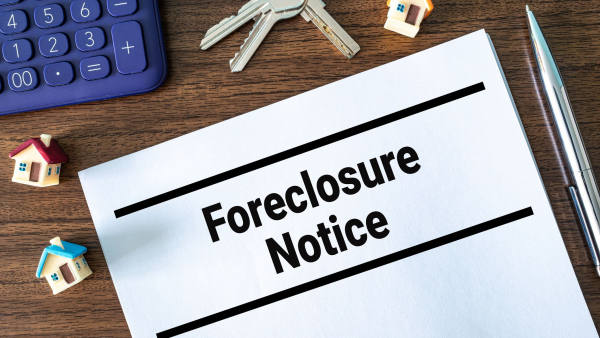
Yes — even days before a sheriff's sale, Indiana homeowners have real options. Here is what actually works and what the clock looks like.
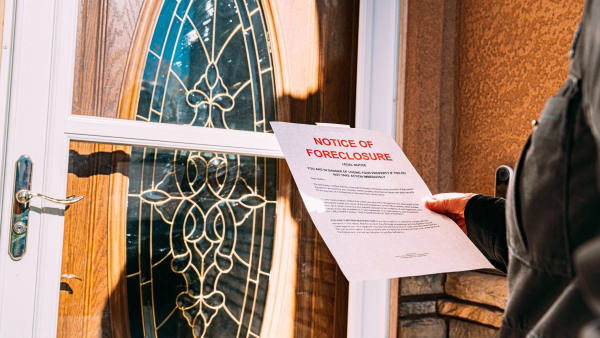
The phone rings. It's your attorney, a neighbor, or a letter in the mail — and suddenly you realize the sheriff's sale is days away. Your stomach drops. To learn more, stop foreclosure in Indianapolis.
Here's what you need to hear right now: you still have options. Indiana law and the foreclosure process itself leave several doors open, even at the eleventh hour. The key is knowing which door to walk through — and moving fast.
How Close Is "Last Minute" in Indiana?
Indiana uses a judicial foreclosure process, which means a court must issue a judgment before your home can be sold. Under Indiana Code § 32-29-7-3, once that judgment is entered, the sheriff's sale cannot be scheduled sooner than 3 months after the judgment date. But "last minute" can mean different things:
- Days before the sale: You still have options, but they're narrowing fast.
- The morning of the sale: In rare cases, a sale can still be stopped — but you need to act before the gavel falls.
- After the sale: Under Indiana Code § 32-29-8-3, homeowners generally have a 3-month redemption period after the sale to reclaim the property by paying the full sale price plus costs. Once that window closes and the court confirms the sale, the right to reclaim the home is gone.
Understanding where you are on that timeline determines which option is realistic for you.
Option 1: Reinstatement — Pay What You Owe
The simplest way to stop a foreclosure is reinstatement: paying all past-due mortgage payments, late fees, attorney fees, and court costs in one lump sum. Once you bring the loan current, the foreclosure stops.
The challenge is that by the time you're days from a sheriff's sale, that reinstatement figure can be substantial — often tens of thousands of dollars. But if you have access to funds (a family loan, retirement account, or other asset), this is the cleanest path.
Important: Contact your lender directly and ask for the exact reinstatement figure in writing. That number changes daily as interest and fees accrue.
Option 2: Loan Modification or Forbearance
If you've had a temporary hardship — job loss, medical bills, divorce — your lender may still agree to a loan modification or forbearance agreement even late in the process. This restructures your loan or pauses payments temporarily.
The catch: lenders are not required to grant a modification, and getting one approved takes time. If the sale is days away, you'll need to call your lender's loss mitigation department immediately and ask them to postpone the sale while your application is reviewed.
Some lenders will do this. Others won't. It's worth the call.
Option 3: File for Bankruptcy
Filing for Chapter 13 bankruptcy triggers an automatic stay — a federal court order that immediately halts all collection actions, including a scheduled sheriff's sale. This can buy you months to reorganize your finances and propose a repayment plan.
Chapter 7 bankruptcy also triggers an automatic stay, but it's temporary in foreclosure cases unless you can address the mortgage arrears.
This is not a long-term solution on its own, but it can buy critical time. Talk to a bankruptcy attorney immediately if this is your path — the filing must happen before the sale.
Option 4: Sell the House Before the Sale
If you have equity in the home — or even if you're close to break-even — selling before the sheriff's sale is often the best outcome for your financial future. You walk away with cash instead of a foreclosure on your record.
A traditional listing takes 30–90 days, which won't work if the sale is imminent. But a cash buyer can close in as little as 7 days. If you sell before the scheduled sheriff's sale, the mortgage payoff can generally be addressed through closing — and you walk away without a foreclosure on your record.
This is exactly the situation Bartolini Cash Buyers handles regularly. We can make you a cash offer the same day you call, and we can work with your timeline — even an urgent one.
Option 5: Negotiate a Short Sale
If you owe more than the home is worth, a short sale lets you sell the property for less than the mortgage balance, with the lender's approval. The lender agrees to accept the proceeds as full (or partial) satisfaction of the debt.
Short sales require lender approval, which takes time — typically 30 to 90 days. If you're days from a sheriff's sale, a short sale alone won't stop it. But combined with a bankruptcy filing or a lender-granted postponement, it can be part of the solution.
Option 6: Request a Sale Postponement
In Indiana, sheriff's sales can sometimes be postponed by agreement between the parties or by court order. If you're actively negotiating with your lender, your attorney may be able to request a continuance.
This is not guaranteed, but it happens. The earlier you communicate with your lender and their attorney, the more likely they are to work with you.
What Doesn't Work
A few things homeowners try that rarely help:
- Ignoring the situation — the sale will happen on schedule.
- Disputing the debt without legal grounds — courts have already ruled by this point.
- Responding to "foreclosure rescue" companies — many are scams. More on that in a future post.
The Bottom Line
Yes, you can stop a foreclosure at the last minute in Indiana — but the window is narrow and the options require immediate action. The best outcomes happen when homeowners reach out for help early, but even late in the process, a cash sale or bankruptcy filing can change the outcome.
If you're facing a sheriff's sale and want to know whether a cash offer makes sense for your situation, call Bartolini Cash Buyers. We'll give you a straight answer the same day — no pressure, no obligation.
Understanding Indiana’s Foreclosure Timeline and Key Deadlines
Indiana foreclosure follows a judicial process, meaning foreclosure actions must go through the court system. From the initial missed payment to the sheriff’s sale, the timeline can vary, but typical steps include a notice of default, filing of a complaint, summons issuance, and court hearing. After a judgment for foreclosure, there is usually a redemption and confirmation period before the sale becomes final. Homeowners facing last-minute foreclosure often find themselves just weeks or even days from the sheriff’s sale date, which is set by the court and publicly posted.
Knowing exact deadlines is critical to making informed decisions. Reinstatement (catching up on missed payments) must be completed before the sale confirmation, usually 10 to 15 days after the sheriff’s sale. Post-sale redemption periods may apply in some Indiana counties but not all. Working with an experienced wholesaler like Vince Bartolini, who evaluates timing carefully, can help sellers grasp their specific timeline and determine feasible last-minute options before the sale is finalized. Indianapolis sellers in particular benefit from localized foreclosure knowledge and connections to Indiana title companies to ensure timely closings.
Step-by-Step Walkthrough of Selling to a Wholesaler in Indiana Foreclosure Situations
When a homeowner in Indiana contacts Bartolini Cash Buyers, Vince Bartolini evaluates the property details, mortgage status, and foreclosure timeline during an initial consultation. If the home can potentially avoid sale or eviction through a wholesale exit, Vince gets the home under contract, outlining specific terms that consider the home's condition, owed amounts, and closing window.
Once under contract, Vince connects sellers with vetted investors from his network who are prepared to complete the transaction quickly through local Indiana title companies. This method eliminates traditional listing delays and complex lender approvals. The process—from contract to closing—can sometimes close within 7 to 14 days, making it especially valuable in last-minute foreclosure scenarios. Sellers retain control to accept offers or seek other options, while receiving practical guidance tailored to Indiana’s legal environment.
Typical Costs and Timeline Considerations with Last-Minute Indiana Foreclosure Solutions
Time is critical in last-minute foreclosure cases, and costs associated with reinstatement, legal fees, and potential sale postponements can quickly add up. Reinstatement amounts include all missed payments, escrow, plus any fees imposed by the lender, which may be sizable depending on how long payments were missed. Legal fees for defending or filing bankruptcy can also extend timelines and increase expenses beyond what some sellers can handle.
By contrast, working with a wholesaler like Bartolini Cash Buyers avoids many of these incremental costs. Since the wholesaler gets the home under contract quickly and facilitates closing through Indiana title companies, sellers may avoid costly delays. Typical timeline from contract to closing in wholesale deals is around two weeks, making it a viable alternative when foreclosure proceedings are imminent. Sellers should carefully weigh how much time they have versus the cost of reinstatement or legal interventions.
Factors Sellers Should Consider When Choosing How to Address Last-Minute Foreclosure in Indiana
The decision to pursue reinstatement, loan modification, bankruptcy, short sale, or wholesale sale depends on multiple personal and financial factors. Sellers must evaluate their ability to catch up on missed payments, tolerate continued uncertainty, and the condition and marketability of their property. A home that needs repairs may not qualify for a quick conventional sale, but could work with an investor network.
Additionally, sellers should consider their timelines carefully; some options like bankruptcy or loan modifications may extend proceedings but also increase costs and complexity. Selling via a wholesaler provides a faster exit, which might be preferable in cases where time is limited and more traditional routes seem unlikely to succeed. Vince Bartolini’s personal evaluation helps clarify which option aligns best with the seller’s unique financial situation, timeline, and Indiana-specific foreclosure circumstances.
Frequently Asked Questions About This Topic
What are the main steps to stop foreclosure in Indiana at the last minute?
Stopping foreclosure at the last minute in Indiana involves understanding crucial deadlines like the sheriff’s sale date and reinstatement period. Homeowners can consider options like reinstatement by paying missed amounts before sale confirmation, negotiating with lenders for postponements, or selling the home through wholesalers like Bartolini Cash Buyers to close quickly. Each step requires prompt action and clear knowledge of local court timelines.
How long does it take to close a wholesale sale with Bartolini Cash Buyers in Indianapolis?
Typically, once Bartolini Cash Buyers gets a home under contract, the closing process through local Indiana title companies can be completed in about 7 to 14 days. This expedited timeline is ideal for sellers facing imminent foreclosure sales as it avoids lengthy traditional market listing periods, helping them exit the property quickly through the wholesaler’s investor network.
What costs should Indiana sellers expect when trying to stop foreclosure last minute?
Costs vary based on the chosen strategy; reinstatement requires all missed payments plus fees, while legal remedies like bankruptcy incur attorney fees and may prolong the timeline. Wholesale selling with Bartolini Cash Buyers can minimize additional costs related to delays and legal expenses by quickly connecting sellers with investors and closing through Indiana title companies. Sellers should assess their financial resources against time constraints to determine the most viable path.
How Bartolini Cash Buyers Navigates Indiana Foreclosure Timelines
In Indiana, the foreclosure process has strict timelines that start once the borrower misses payments, typically leading to a sheriff’s sale scheduled at least 45 days after the Notice of Sale is recorded. Vince Bartolini leverages his deep understanding of these timelines to effectively position homes under contract before critical deadlines. This proactive approach allows his network of vetted investors the necessary window to complete closings through local Indiana title companies, often just days before the sale, ensuring sellers have decisive options even late in the process.
Bartolini Cash Buyers’ method hinges on rapid engagement and thorough property evaluation. Vince draws from experience as a former mortgage broker and loan modification consultant to quickly assess the seller’s situation privately and confidentially. From there, he negotiates contracts aimed at closing well before state-imposed deadlines. The team’s knowledge of sheriff’s sale announcements and Indiana’s redemption period (when applicable) helps avoid pitfalls and keeps deals moving efficiently, which is crucial when time is extremely limited.
Key Cost Factors and Seller Decision Points in Last-Minute Indiana Foreclosure Cases
Indiana sellers facing last-minute foreclosure often wrestle with weighing the financials of each option Bartolini Cash Buyers presents. Typical costs might include back payments to reinstate a mortgage, attorney fees if seeking legal counsel, and closing costs handled through title companies. Bartolini’s role in getting homes under contract and connecting sellers with vetted investors helps simplify these decisions so sellers can avoid unexpected expenses or delays that would jeopardize timely closing.
Sellers must consider how quickly their situation requires resolution. Selling to a wholesaler's investor network can typically be faster than pursuing reinstatement or modifications, which depend on lender response times. Bartolini's Indianapolis-based operation personalizes offers to the current market and unique property conditions, helping sellers understand the financial implications before deciding. The timeline, existing lender demands, and property condition combine to shape which approach aligns best with a seller’s circumstances and priorities.
Frequently Asked Questions About This Topic
What happens after Bartolini Cash Buyers gets a home under contract in foreclosure?
Once Bartolini Cash Buyers secures a home under contract, they coordinate with their network of vetted investors to complete the purchase quickly. The team works with local Indiana title companies to handle closing details and ensure all paperwork complies with state regulations. This process is designed to move swiftly, often finalizing sales before foreclosure deadlines, giving sellers a viable way out even close to the sheriff’s sale date.
Are there upfront costs when selling a home through Bartolini Cash Buyers in Indiana?
Typically, sellers do not pay upfront costs when entering a contract with Bartolini Cash Buyers. Since the wholesaler connects sellers with investors who fund the purchase and closing, seller expenses like title fees and closing costs are generally handled at closing. However, sellers should remain aware of outstanding arrearages or liens, which may affect net proceeds and require separate settlement.
How quickly can a foreclosure sale process complete once a home is under contract?
In Indiana, once a home is under contract with Bartolini Cash Buyers, the closing timeline can be as fast as two to three weeks depending on title clearance and lender requirements. This speed is possible because the wholesaler understands Indiana’s foreclosure scheduling and leverages local title companies familiar with expedited transactions. Sellers are encouraged to act swiftly to align with foreclosure deadlines and avoid sheriff’s sale impacts.
<!-- geo-links injected 2026-10-24 -->Local pages worth a read: cash offer for your Eagledale house, sell your Chapel Hill house as-is, and cash offer for your New Augusta house.
If the clock is already running, the guide on how to stop foreclosure in Indianapolis lays out what still works at each stage — and when selling before the sale is the cleaner exit.
Written by
Vince Bartolini
Founder & lead offer evaluator, Bartolini Cash Buyers
Vince Bartolini is an Indianapolis real estate wholesaler serving homeowners across Marion, Lake, and Allen counties. He personally evaluates every property, presents a written offer, and works a network of vetted investors to execute the contract — so sellers get one clear path instead of a runaround.