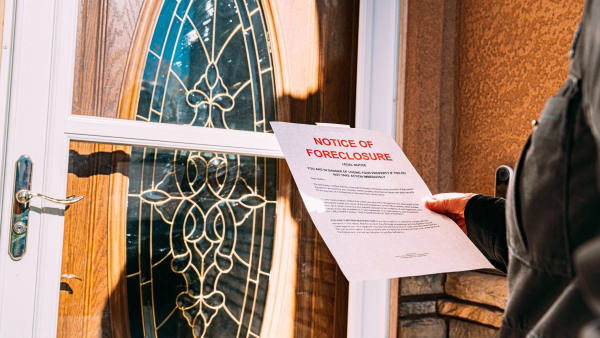
Receiving a notice of default is alarming — but it is not the end. Here is what it means, what happens next, and the window you have to act in Indiana.
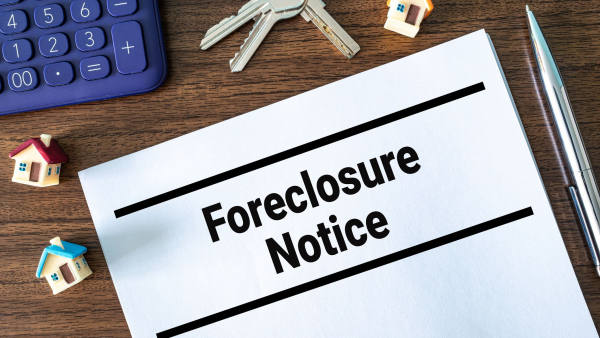
Opening a letter that says "Notice of Default" is one of the most stressful moments a homeowner can face. Your hands might shake. Your mind races. You wonder: how bad is this?
Here's the truth: a notice of default is serious — but it's also early in the process. You still have time and options. Understanding exactly what it means is the first step. To learn more, explore pre-foreclosure options in Indianapolis.
What Is a Notice of Default?
A notice of default — more precisely called a breach letter or demand letter in Indiana — is a formal written notice from your mortgage lender informing you that you've violated the terms of your loan, typically by missing one or more payments.
Unlike non-judicial foreclosure states (such as California), Indiana does not have a statutory "notice of default" that gets recorded with the county. Indiana is a judicial foreclosure state, which means the lender must file a lawsuit in court to foreclose. The breach letter you receive is a contractual requirement under the terms of your mortgage — most standard mortgages require the lender to give you written notice and a cure period before they can accelerate the loan or file suit.
This distinction matters: the breach letter is not a court filing, not a lien, and not a public record. It is a private notice from your lender. The foreclosure lawsuit that follows is the public legal action.
What Does It Say?
A notice of default typically includes:
- The amount you're past due (principal, interest, late fees)
- A deadline to cure the default (usually 30 days)
- A statement that failure to cure will result in acceleration of the loan (the full balance becoming due) and foreclosure proceedings
Read it carefully. The cure deadline is real, and missing it accelerates the timeline.
What Happens After a Notice of Default in Indiana?
Indiana uses a judicial foreclosure process, which means the lender must go through the courts to foreclose. Here's the general sequence after a notice of default:
- Missed payments — Typically 4+ months of missed payments before the lender can file (federal CFPB rules require servicers to wait until you are more than 120 days delinquent before initiating foreclosure).
- Breach letter sent — You receive written notice of the default and a cure period (usually 30 days under your mortgage terms).
- Cure period expires — If you don't bring the loan current, the lender can accelerate the debt.
- Foreclosure complaint filed — The lender files a lawsuit in the county court.
- You're served — You receive legal notice of the lawsuit and have the opportunity to respond (typically 20–23 days).
- Court proceedings — If no resolution is reached, the court enters a judgment of foreclosure.
- Sheriff's sale scheduled — Indiana law requires a minimum of 3 months between the judgment and the sheriff's sale (IC § 32-29-7-3).
- Sheriff's sale — The home is auctioned.
- Redemption period — Under IC § 32-29-8-3, homeowners generally have 3 months after the sale to redeem the property by paying the full sale price plus costs.
From breach letter to sheriff's sale, the process typically takes 6 to 18 months in Indiana, depending on court backlogs and whether you respond to the lawsuit. The pre-foreclosure window — from first missed payment to when a complaint can legally be filed — is generally 4 to 6+ months under federal rules.
What Are Your Options After a Notice of Default?
Option 1: Cure the Default
Pay everything you owe — past-due payments, late fees, and any costs the lender has incurred — within the cure period. This stops the foreclosure process entirely and restores your loan to good standing.
This is the cleanest solution if you have the funds.
Option 2: Explore Loan Modification Through Your Servicer
Homeowners may have options available directly through their mortgage servicer, including loan modifications that restructure payments. Because those options depend on individual circumstances, homeowners should contact their mortgage servicer or a qualified housing counselor for information about available programs. Apply as soon as possible — the process takes time, and servicers may pause foreclosure proceedings while a complete application is under review.
Option 3: Refinance
If you have equity in the home and your credit is still in reasonable shape, you may be able to refinance into a new loan with a lower payment. This is harder to do once the foreclosure process has started, so act quickly.
Option 4: Sell the Home
If you can't afford to keep the home, selling it before the foreclosure is completed protects your credit far better than letting it go to a sheriff's sale. You pay off the mortgage from the proceeds and walk away with whatever equity remains.
A cash buyer can close in 7–14 days — often fast enough to resolve the situation before the foreclosure progresses further.
Option 5: Do Nothing
This is the worst option. Ignoring a notice of default doesn't make it go away. The lender will proceed with the lawsuit, obtain a judgment, and schedule the sheriff's sale. You'll lose the home and take a major credit hit.
Should You Respond to the Foreclosure Lawsuit?
Yes — always. When the lender files a foreclosure complaint, you have the right to respond. Even if you don't have a legal defense, responding to the lawsuit can buy you additional time to explore your options.
Consider consulting with a foreclosure attorney or HUD-approved housing counselor. Many offer free or low-cost consultations.
The Bottom Line
A notice of default is a warning, not a verdict. Indiana's judicial foreclosure process gives you time — but that time is finite. The homeowners who come out best are the ones who take action early, whether that's curing the default, negotiating with the lender, or selling the home before the process goes further.
If you've received a notice of default and want to understand your options, Bartolini Cash Buyers is available to talk through your situation — no pressure, no obligation.
The Formal Notice of Default Process Specific to Indiana Mortgages
In Indiana, the formal notice of default process is governed by state law and varies depending on whether the mortgage is judicial or non-judicial. For most residential properties, lenders begin by sending a written notice of default to the homeowner after missed mortgage payments typically totaling at least 90 days. This notice must clearly state the default amount and inform the borrower of the opportunity to cure the default by paying the arrearage within a certain timeframe. Indiana does not require pre-foreclosure mediation, but the notice serves as the lender's initial step toward foreclosure if the default is not resolved.
The notice of default is typically sent via certified mail to ensure proof of delivery, a crucial element should the case progress to foreclosure courts. The borrower has a limited window—often 30 days—to respond or pay the late amounts. Failure to act within this period usually triggers the lender to file a foreclosure complaint, starting formal legal proceedings. Understanding this procedural stage is essential for sellers considering their next steps, as it marks the shift from a missed payment to imminent foreclosure status.
Step-by-Step Walkthrough of Indiana Foreclosure Timeline After Default
After receiving a notice of default in Indiana, the timeline to potential foreclosure can generally range from a few months to a year depending on court schedules and lender actions. First, if the default is not cured, the lender files a foreclosure suit in the county court where the property is located. This typically happens within 30 to 60 days after the notice period has expired. The borrower will then be served with a summons and complaint, initiating formal court proceedings.
Following this, the borrower has a limited response window—usually 20 days to contest the claim or file an answer. If no response is made, or the case proceeds, the court enters a judgment of foreclosure, which can allow for a sheriff’s sale. The sheriff’s sale is the public auction of the property to satisfy the debt. There is often a redemption period after the sale, during which the seller can repurchase the property, although this period is typically short in Indiana. This complex timeline creates significant pressure on sellers to act quickly and evaluate their best options.
Understanding Foreclosure-Related Costs and Fees Indiana Sellers Face
When a notice of default leads to foreclosure in Indiana, sellers commonly face escalating costs that can significantly surpass the missed payment amount. These costs include attorney fees, foreclosure filing fees, court costs, title search fees, and sheriff’s sale expenses. Since Indiana foreclosures are often judicial, legal fees can add up quickly if the lender hires counsel. These fees are generally added to the borrower’s debt, increasing the total amount owed beyond the original loan balance.
Additional costs might include property maintenance and insurance expenses if the home sits vacant during the foreclosure. Sellers should also anticipate that redemption fees may apply if they attempt to redeem the home after a sheriff’s sale. These financial burdens can be overwhelming and highlight why many sellers choose to work with wholesalers like Bartolini Cash Buyers, who get homes under contract early and connect sellers with vetted investors able to close quickly before costs escalate.
Key Factors Indiana Sellers Should Consider Before Responding to Default
Before taking any action after receiving a notice of default, Indiana sellers need to consider multiple factors influencing their best path forward. The current market value of the property is crucial; if the home is worth less than the outstanding mortgage plus fees, foreclosure may be inevitable unless a short sale is feasible. Sellers should also consider their financial ability to catch up on missed payments and ongoing housing costs while the process unfolds.
Another important factor is timing—how much time remains on the notice and whether the foreclosure timeline allows enough room to negotiate or sell. Sellers may also weigh the emotional toll and long-term credit implications of foreclosure. Engaging with experienced wholesalers like Bartolini Cash Buyers can be an effective strategy since Vince personally evaluates each property and connects sellers with vetted investors, potentially avoiding drawn-out foreclosure and costly legal complications.
Frequently Asked Questions About This Topic
What happens if I ignore a notice of default in Indiana?
Ignoring a notice of default usually leads the lender to file a foreclosure lawsuit in court. Once the suit is filed, the borrower has limited time to respond, and failure to do so often results in a default judgment against the homeowner. This could culminate in a sheriff’s sale of the property and possible loss of ownership. Sellers should carefully consider their options before disregarding such notices and seek professional advice if unsure.
Can I sell my Indiana home after receiving a notice of default?
Yes, it is possible to sell your home after receiving a notice of default, though timing and market conditions matter. Sellers working with companies like Bartolini Cash Buyers get homes under contract and benefit from a network of vetted investors who can often close quickly. This process may help avoid lengthy foreclosure procedures and reduce extra fees, but sellers must act promptly to capitalize on this opportunity.
How long does it take to complete a foreclosure in Indiana after default?
The foreclosure timeline in Indiana varies but generally ranges from several months to about a year after default, depending on the lender’s actions and court schedules. Once the notice period expires without payment, legal proceedings begin, culminating in a sheriff’s sale and possible redemption period. Because the timeline can be complex and stressful, sellers should consider consulting experienced professionals to explore alternatives sooner.
Costs and Timelines Sellers Should Expect After Indiana Notice of Default
After a notice of default has been filed, the Indiana foreclosure timeline typically spans several months but can vary depending on court scheduling and lender procedures. Sellers should anticipate expenses such as missed payments, late fees, escrow advances for taxes and insurance, attorney fees, and sheriff sale costs. These amounts accumulate and can significantly increase the amount owed beyond the original mortgage balance.
Throughout this period, Bartolini Cash Buyers evaluates each property with attention to these extra costs which impact net payoff demands. This ensures the offer accounts for realistic recovery of liens and fees. The timeline before a sheriff sale can provide an opportunity to secure a contract with vetted investors to close before auction, often saving sellers additional legal and administrative fees. Sellers should track dates carefully because deadlines for curing default or responding to lawsuits affect their options and potential outcomes.
Frequently Asked Questions About This Topic
What should I do immediately after receiving a notice of default in Indiana?
Once you receive a notice of default, it’s important to review the notice carefully and begin gathering your mortgage and financial documents. Contacting a licensed Indiana attorney or a HUD-approved housing counselor can provide guidance on your options. You may also want to reach out to Bartolini Cash Buyers to explore offers from vetted investors who can get homes under contract quickly, potentially allowing you to sell before the foreclosure advances.
Can I stop foreclosure in Indiana by selling my home to a wholesaler’s investor network?
While selling your home to an investor connected through a wholesaler like Bartolini Cash Buyers does not stop foreclosure automatically, it can greatly reduce the timeline and costs associated with foreclosure. Getting the home under contract and closed before a sheriff sale allows sellers to avoid additional fees and limits negative credit impact caused by a completed foreclosure. This is a practical option for sellers facing imminent foreclosure.
How long does the default period last before foreclosure sale happens in Indiana?
In Indiana, the default period before the sheriff sale typically lasts several months, with the Notice of Default and Notice of Foreclosure Sale providing statutory minimum timelines. Court schedules and lender actions can affect timing, but generally, sellers have 90 days or more to respond, cure the default, or sell the property. Using this time wisely to connect with vetted investors through Bartolini Cash Buyers can allow sellers to arrange a sale that avoids auction complications.
<!-- geo-links injected 2026-10-24 -->Local pages worth a read: cash offer for your Dyer house, sell your St. John house as-is, and cash offer for your Winfield house.
For a plain-English overview, start with the Indianapolis foreclosure help resource — the timeline, the alternatives, and how a cash sale can close in as little as 7 days.
Written by
Vince Bartolini
Founder & lead offer evaluator, Bartolini Cash Buyers
Vince Bartolini is an Indianapolis real estate wholesaler serving homeowners across Marion, Lake, and Allen counties. He personally evaluates every property, presents a written offer, and works a network of vetted investors to execute the contract — so sellers get one clear path instead of a runaround.