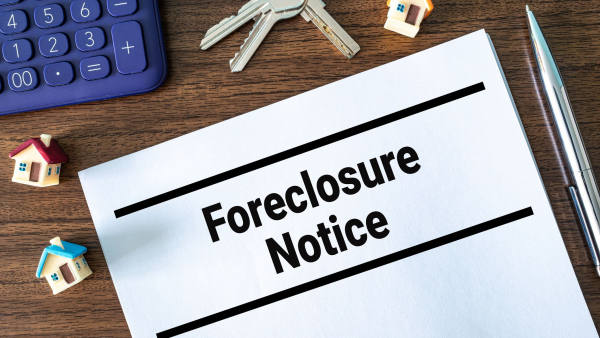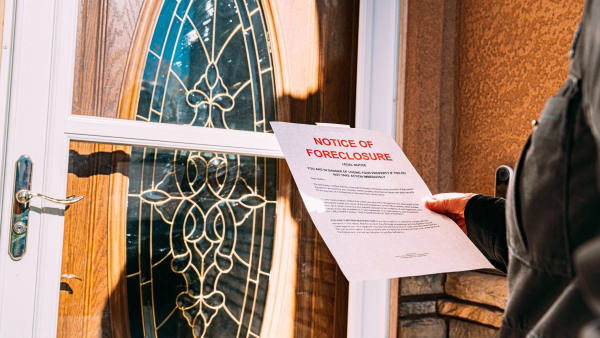
Indiana foreclosure can take 6–18 months from first missed payment to sheriff sale. Here is exactly what happens at each stage and how to protect yourself.

If you have missed a mortgage payment — or you are worried you might — one of the first questions you probably have is: how long do I actually have?
The honest answer is that Indiana foreclosure is a court-driven process that typically takes 6 to 18 months from your first missed payment to a sheriff sale. But that range is wide, and where you fall in it depends on how quickly your lender moves, how crowded the local courts are, and whether you take action early.
Here is a plain-English breakdown of every stage, so you know exactly what to expect.
Stage 1: Missed Payments and the Grace Period (Months 1–3)
Most mortgage servicers will not begin formal foreclosure action until you are at least 120 days (4 months) past due. That is a federal rule under the Consumer Financial Protection Bureau.
During this window you will receive:
- Late payment notices — usually after 15–30 days
- Breach letters — a formal notice that you are in default and have a set number of days to cure it
- Loss mitigation outreach — your servicer is required to reach out about options like loan modifications, repayment plans, or forbearance
This early stage is the most important window you have. The more time that passes without action, the fewer options remain.
Stage 2: Notice of Default and Filing (Month 3–5)
Indiana is a judicial foreclosure state, which means your lender cannot simply take your home — they must file a lawsuit in court and get a judge's approval.
Once your lender decides to proceed, they will:
- File a foreclosure complaint in the county circuit or superior court
- Serve you with a summons and complaint — you will be formally notified of the lawsuit
- Record a lis pendens (notice of pending litigation) against your property title
You typically have 20 to 23 days to respond to the complaint after being served. If you do not respond, the lender can request a default judgment — and the process moves faster.
Stage 3: Court Proceedings (Months 4–10)
This is where Indiana's judicial process adds the most time. The court schedule, your county's caseload, and whether you contest the foreclosure all affect how long this stage takes.
Key events during this phase:
- Default judgment — if you do not respond, the lender gets a judgment quickly (often 60–90 days after filing)
- Summary judgment — if you respond but do not have a strong defense, the lender may file for summary judgment
- Mediation — Indiana courts often require or encourage mediation before a judgment is entered, which can add 30–60 days but also creates an opportunity to negotiate
Marion County (Indianapolis) and other high-volume counties can have backlogs that stretch this stage to 6 months or more.
Stage 4: Judgment and Sheriff Sale Order (Months 8–14)
Once the court enters a judgment of foreclosure, the judge will set a date for the sheriff sale — the public auction where your home is sold to satisfy the debt.
Indiana law requires a minimum of 3 months between the judgment and the sheriff sale in most cases. The court also issues a Notice of Sheriff Sale that must be published in a local newspaper for three consecutive weeks.
This means even after a judgment is entered, you still have time.
Stage 5: The Sheriff Sale (Months 10–18)
The sheriff sale is a public auction, typically held at the county courthouse. The opening bid is usually the amount owed on the mortgage plus fees.
If no one bids above that amount, the lender takes title to the property. If a third party wins the bid, you will need to vacate.
Important: Under Indiana Code § 32-29-8-3, homeowners generally have a 3-month redemption period after the sheriff sale to reclaim the property by paying the full sale price plus costs. Once that redemption period expires and the court confirms the sale, the right to reclaim the home is gone. Agricultural land may have a longer redemption period of up to one year.
Additionally, if the sale price was less than what you owed, the lender may pursue a deficiency judgment for the remaining balance — but under Indiana law, the lender must file for that deficiency judgment within 3 months of the court confirming the sale. After that window closes, the right to pursue a deficiency is extinguished.
What Can Slow Down or Stop the Process?
Several things can pause or extend the timeline:
- Filing for bankruptcy — an automatic stay immediately halts all foreclosure proceedings
- Loan modification application — servicers are generally prohibited from "dual tracking" (pursuing foreclosure while a complete modification application is pending)
- Contesting the lawsuit — raising defenses in court adds time
- Court backlogs — especially in larger counties
Your Real Options at Each Stage
| Stage | What You Can Do |
|---|---|
| Months 1–3 | Request loan modification, forbearance, or repayment plan |
| Months 3–5 | Respond to the complaint; explore short sale or cash sale |
| Months 5–10 | Attend mediation; negotiate with lender; sell the home |
| Months 10–14 | Sell before the sheriff sale date to pay off the debt |
| After judgment | Last chance — sell quickly or the lender takes the home |
Selling Before the Sheriff Sale
One option many Indiana homeowners do not realize they have: you can sell your home at any point before the sheriff sale, even after a judgment has been entered.
If you have any equity — or even if you are slightly underwater — selling to a cash buyer before the sheriff sale can allow the mortgage payoff to be addressed at closing, and let you walk away without a foreclosure on your record.
A foreclosure judgment stays on your credit report for 7 years and can make it nearly impossible to buy another home for 3–7 years. Selling before the sale eliminates that. For more information, avoid the sheriff sale in Indiana.
The Bottom Line
Indiana's judicial foreclosure process gives you more time than many homeowners realize — but that time runs out. The earlier you take action, the more options you have. For more information, stop foreclosure in Indianapolis.
If you are behind on your mortgage and want to understand your options without any pressure, Bartolini Cash Buyers offers free, no-obligation consultations. We buy homes in any condition, in any stage of foreclosure, and we can close in as little as 7 days. For more information, understand Indiana foreclosure laws and your rights.
Typical Costs Incurred During Indiana Foreclosure Timeline
Foreclosure in Indiana involves several costs that accumulate throughout the process. Sellers should be aware that missed mortgage payments often come with late fees and increased interest, which add to the total owed. Once the foreclosure is officially filed, court filing fees and service fees for delivering notices begin to accrue. These costs are generally added to the outstanding loan balance, increasing the debt burden. Beyond those, if the case proceeds to sheriff sale, additional fees include the sheriff's service fee, advertising fees for public notice in local newspapers, and sometimes costs related to property inspections.
Understanding how these expenses build up over the months can help sellers realistically assess their financial position. These costs can extend the timeline if lenders pursue reimbursement before completing the sale, or if the homeowner contests any fees in court. Sellers working with Vince Bartolini and his network of vetted investors can gain a clearer picture of this cost accumulation early on, as his local experience with Indiana title companies and court procedures allows him to provide timely estimates based on each property’s status.
Step-by-Step Foreclosure Process Walkthrough Specific to Indiana
Indiana’s foreclosure process follows a judicial path that typically spans several months, beginning with missed payments and culminating in a sheriff sale. Once a homeowner falls behind, the lender must file a formal complaint in a local court. After that, the borrower is served a summons and complaint, giving them a chance to respond within a designated timeframe, typically 20 days. If there is no response, the lender may request a default judgment, which the court then grants after review.
Following judgment, the court issues an order directing the sheriff to schedule a public auction, generally within 60 days. Notice of the sheriff sale is published in local newspapers and posted publicly to comply with state requirements. If the property doesn’t sell at the auction, the lender can request issuance of a sheriff’s deed, transferring ownership. Knowing this structured process helps sellers and Vince Bartolini’s team identify when an opportunity to get a property under contract is most feasible, assisting sellers who want to act before the sale occurs.
Key Considerations for Sellers Deciding to Engage a Cash Buyer Network
Sellers facing foreclosure in Indiana weigh multiple factors when deciding to connect with a wholesaler like Bartolini Cash Buyers. One important consideration is timing; properties closer to the sheriff sale stage may have fewer lines of defense and a shorter decision window. Sellers also consider the complexity of liens or loans on the property, as complications can extend the closing process or affect offer amounts.
Another factor is the seller’s need for speed and certainty. Working with Vince Bartolini, a former mortgage broker and loan consultant, provides access to vetted investors familiar with Indiana title companies and foreclosure timelines. While Bartolini Cash Buyers does not buy homes directly, the company helps sellers avoid prolonged court battles or expensive delays by quickly getting the property under contract and moving it through those investor connections efficiently. This can help sellers meet deadlines and reduce the overall stress of the foreclosure timeline.
Frequently Asked Questions About This Topic
How long after the sheriff sale does ownership officially change in Indiana?
After the sheriff sale in Indiana, ownership doesn’t transfer immediately. The highest bidder typically receives a certificate of sale, but the official sheriff’s deed, transferring title, is issued only after a redemption period may expire or once the court confirms the sale. This process can take several weeks to a few months, meaning sellers should be aware that final ownership change occurs after the auction date.
Can working with Bartolini Cash Buyers speed up the foreclosure process?
While Bartolini Cash Buyers cannot alter court timelines, the company helps sellers move faster by getting homes under contract quickly. Vince Bartolini personally evaluates each property and connects sellers with vetted investors who can close efficiently through local Indiana title companies. This streamlined transaction reduces uncertainty and paperwork delays compared to traditional foreclosure pathways.
What legal resources should Indiana homeowners use during foreclosure?
Indiana homeowners should consult a licensed Indiana attorney or a HUD-approved housing counselor when facing foreclosure. These professionals provide legal advice tailored to individual circumstances, helping homeowners understand rights and obligations. Vince Bartolini encourages sellers to seek such counsel for legal questions while offering practical solutions through his wholesaling network.
Common Delays in Indiana Foreclosure Timelines and Their Impact
While Indiana’s foreclosure process is generally completed within 10 to 18 months, various practical delays can extend this timeline significantly. One common delay arises from procedural requirements such as lender compliance notices, which demand additional time before court filing can proceed. Moreover, homeowners may file bankruptcies during foreclosure, automatically resulting in a stay that postpones any sheriff sale. Local court backlogs in some Indiana counties can also cause hearings and judgments to take longer than typical, stretching the timeline beyond average forecasts. Sellers should expect that such delays might reduce the effective selling window and complicate timing.
Understanding these delays is crucial for homeowners considering a sale to avoid foreclosure. Bartolini Cash Buyers works with a network of vetted investors to get homes under contract quickly, helping sellers avoid prolonged uncertainty. Vince Bartolini’s expertise as a former mortgage broker allows him to evaluate cases realistically, factoring potential procedural slowdowns when making offers. By working through local title companies, transactions can be expedited despite court process delays, giving sellers a practical option where the conventional foreclosure timeline would otherwise be extended.
How Costs and Fees Affect Foreclosure Duration in Indiana
The accumulation of costs and fees through the foreclosure process often plays a subtle but important role in duration. Early missed payments trigger late fees and interest accrual, which influence the lender’s willingness to proceed to formal default notice and filing. After default, court costs, attorney fees, and sheriff fees add up, typically accelerating lender actions to recoup losses by pushing the sale forward. In Indiana, these costs can range from a few hundred dollars to several thousand, depending on timelines and complexity.
This fee structure creates pressures on both sellers and lenders to act quickly or risk higher overall expense. Sellers contemplating a pre-foreclosure sale through a wholesaler like Bartolini Cash Buyers receive upfront property evaluations that consider potential outstanding liens and fees. Vince Bartolini connects sellers with vetted investors who can often close deals before fees escalate further, potentially shortening the timeline in terms of cost impact. Understanding how these costs grow over time can motivate sellers to act sooner rather than later.
Frequently Asked Questions About This Topic
What factors determine how quickly the sheriff sale is scheduled in Indiana?
The timing of the sheriff sale in Indiana primarily depends on when the court issues the judgment and sheriff sale order. Local court schedules, lender urgency, and any pending homeowner motions also influence the exact date. Delays are common if the homeowner requests postponements or files bankruptcy. Bartolini Cash Buyers helps sellers by connecting them with vetted investors who understand these timelines and can help get a home under contract sooner, before the actual sale date.
Can working with a wholesaler speed up the Indiana foreclosure timeline?
Yes, working with a wholesaler like Bartolini Cash Buyers can help sellers avoid many typical delays by getting the home under contract early. Vince Bartolini evaluates each property personally and connects sellers with a network of vetted investors who are ready to move quickly. While the formal foreclosure might still proceed, having a sale contract in place can sometimes speed up closing through local title companies, providing a practical exit before the sheriff sale.
Are there upfront costs a seller should expect when considering a cash buyer deal during foreclosure?
Typically, sellers do not pay upfront fees when working with Bartolini Cash Buyers. The wholesaler’s role is to get the home under contract and then work with vetted investors to close. Sellers should be aware that outstanding mortgage arrears, liens, or taxes must be addressed during closing, but there are no dealer fees or commissions charged upfront. Always review any contract carefully and consider consulting a licensed Indiana attorney for advice.
<!-- geo-links injected 2026-10-24 -->Bartolini Cash Buyers also works the neighborhoods around Marion County - see we buy houses in Fall Creek Place, sell your Chatham-Arch house as-is, or we buy houses in Lockerbie Square for street-level detail.
Want every option side by side? See the Indianapolis foreclosure help guide — timelines, alternatives, and what selling as-is for cash looks like in practice.
Written by
Vince Bartolini
Founder & lead offer evaluator, Bartolini Cash Buyers
Vince Bartolini is an Indianapolis real estate wholesaler serving homeowners across Marion, Lake, and Allen counties. He personally evaluates every property, presents a written offer, and works a network of vetted investors to execute the contract — so sellers get one clear path instead of a runaround.