
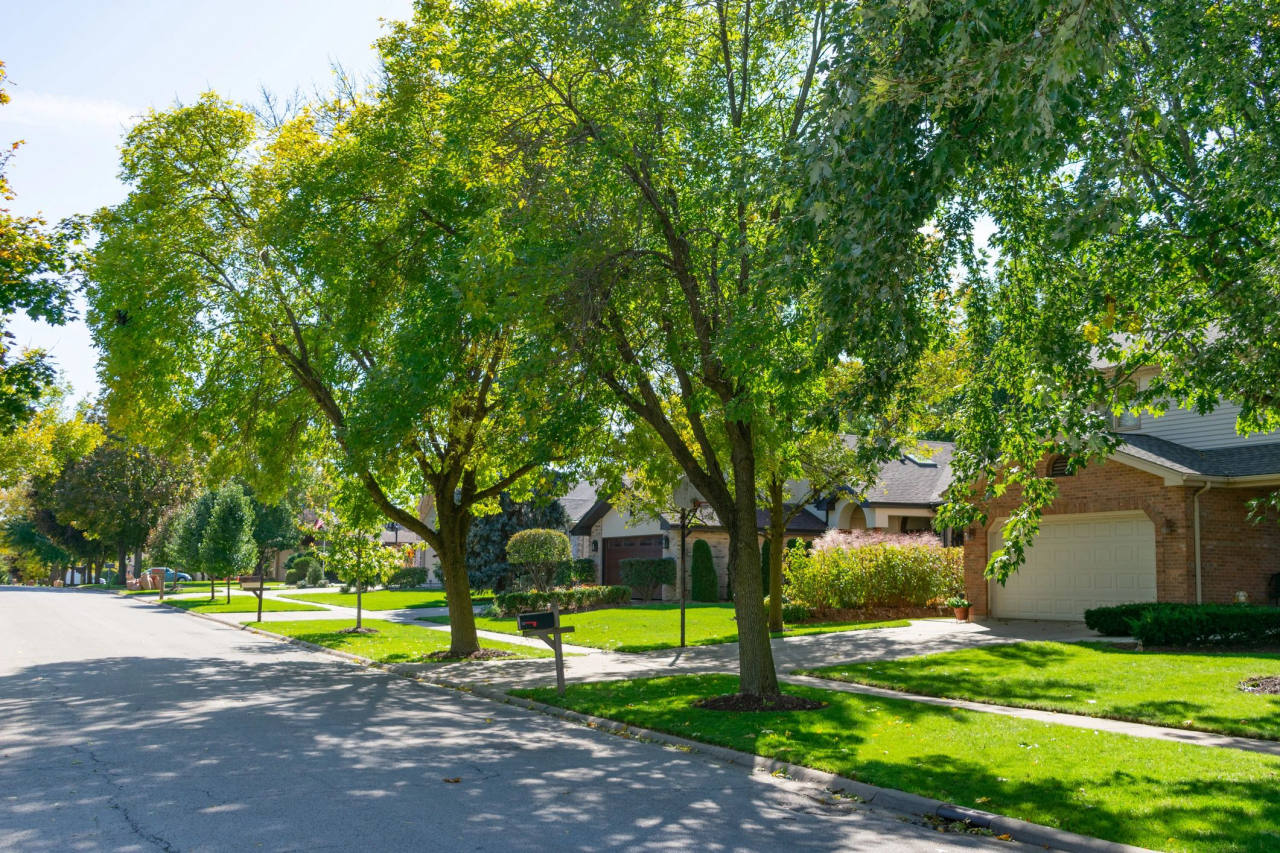
Inheriting a house in Indiana comes with real decisions and real deadlines. Here is a practical guide to your options — from probate to a fast cash sale.

Inheriting a house is rarely simple. You're dealing with grief, family dynamics, legal paperwork, and a property that may need work — all at the same time. If you've recently inherited a home in Indiana and aren't sure what to do with it, this guide walks you through your real options. To learn more, sell an inherited house in Indiana.
Step 1: Understand Whether Probate Is Required
In Indiana, most inherited properties go through probate — the court-supervised process of transferring assets from a deceased person's estate to their heirs. Whether probate is required depends on how the property was titled:
- Sole ownership with no beneficiary designation: Probate is required.
- Joint tenancy with right of survivorship: The surviving owner inherits automatically — no probate needed.
- Transfer-on-death deed (TODD): Indiana allows TODDs, which transfer property directly to the named beneficiary without probate.
- Living trust: Property held in a trust passes to beneficiaries outside of probate.
If probate is required, you'll need to open an estate in the county where the property is located before you can sell it.
Step 2: Get Appointed as Personal Representative
If probate is required, the court will appoint a personal representative (sometimes called an executor) to manage the estate. This is typically the person named in the will, or a close family member if there's no will.
As personal representative, you have the legal authority to manage and sell estate property — but you must follow Indiana probate law and, in some cases, get court approval before closing a sale.
Step 3: Assess the Property's Condition
Inherited homes often haven't been updated in years. Before deciding how to sell, get a realistic picture of the property:
- Walk through the home and note any deferred maintenance, structural issues, or needed repairs.
- Get a rough estimate from a contractor if major work is needed.
- Check for any outstanding property taxes, liens, or utility bills attached to the property.
This assessment shapes your selling strategy.
Step 4: Understand Your Selling Options
Option A: List With a Real Estate Agent
A traditional listing gets you maximum market exposure and potentially the highest sale price — but it takes time (typically 60–120 days from listing to close), requires the home to be in showing condition, and involves agent commissions (typically 5–6%).
This works well if the home is in good shape, the estate is fully settled, and you're not in a hurry.
Option B: Sell As-Is to a Cash Buyer
A cash buyer purchases the home in its current condition — no repairs, no cleaning, no showings. This is often the fastest and simplest path, especially when:
- The home needs significant repairs
- Multiple heirs need to split proceeds quickly
- You live out of state and can't manage a traditional sale
- The estate has debts that need to be paid promptly
Cash sales can close in 7–14 days and eliminate the uncertainty of a traditional listing.
Option C: Keep the Property
Some heirs choose to keep the inherited home — either to live in it or rent it out. This is a valid option, but it comes with ongoing costs: property taxes, insurance, maintenance, and potentially a mortgage if one exists.
Tax Considerations When Selling an Inherited House
One of the most important things to understand is the stepped-up basis rule. When you inherit a property, your cost basis is "stepped up" to the fair market value at the date of the original owner's death — not what they originally paid for it.
This means if you sell the home shortly after inheriting it, you may owe little or no capital gains tax, even if the property has appreciated significantly over the years.
Consult a tax professional to understand your specific situation before selling.
What If There Are Multiple Heirs?
When a property is inherited by multiple people, everyone must agree on what to do with it. If heirs disagree, the situation can get complicated — and in some cases, a court can order a partition sale, forcing the property to be sold and proceeds divided.
A cash sale is often the fastest way to resolve disagreements among heirs, since it eliminates the need for repairs, showings, and extended negotiations.
The Bottom Line
Selling an inherited house in Indiana doesn't have to be overwhelming. The key is understanding where you are in the probate process, what condition the property is in, and which selling option fits your timeline and goals.
If you want a fast, straightforward path — no repairs, no agent fees, no waiting — Bartolini Cash Buyers can make you a cash offer the same day you call. Bartolini Cash Buyers works with estates regularly.
Navigating Indiana's Probate Timeline for Inherited Properties
Probate proceedings in Indiana typically take several months but can extend beyond a year depending on the complexity of the estate and whether there are disputes among heirs. After a death, initiating probate requires filing a petition within a reasonable timeframe—usually within 30 days if assets exist that must go through probate. The court then officially appoints a personal representative to manage the estate, including the inherited house. Sellers should factor in these timelines when planning to sell, as the property cannot be marketed or sold without proper estate authority.
During probate, the court supervises the inventory and valuation of the inherited home, ensuring debts and taxes are addressed before ownership transfers to heirs or new buyers. This can affect how quickly Bartolini Cash Buyers can get a home under contract and proceed with connecting sellers to their network of investors. Understanding these procedural timeframes helps heirs set realistic expectations about when the house can be legitimately sold and closed through Indiana-based title companies.
Step-by-step Walkthrough for Selling an Indiana Inherited House
Once probate is completed and the personal representative is appointed, the selling process begins by accurately valuing the property, often needing a professional appraisal. Next, the representative coordinates with Bartolini Cash Buyers, who evaluates the condition and market status before getting the home under contract. This step involves carefully considering the house’s state—repairs, liens, or code violations—to determine the best investor match from the vetted network, ensuring a smooth transaction.
After securing a contract, the closing is scheduled with a trusted local Indiana title company, which will conduct due diligence such as title searches and resolving any outstanding liens. Timing can vary, but Bartolini Cash Buyers works diligently with the investors to get it closed promptly, often faster than traditional sales routes. This systematic approach minimizes delays, helping sellers move on from their inherited property efficiently.
Understanding Costs and Financial Implications When Selling Inherited Homes in Indiana
Sellers should expect several costs when selling an inherited house, including probate court fees, closing costs, potential repairs to satisfy buyers, and realtor commissions if listing with an agent. Probate fees in Indiana vary by county but usually involve filing costs and fees for the personal representative’s actions. Bartolini Cash Buyers can help reduce sales-related expenses by avoiding lengthy market listings and negotiation hassles, as transactions typically occur within their investor network at more predictable terms.
Additionally, title insurance and recording fees are common at closing, all coordinated through local title companies familiar with Indiana real estate law. Sellers should budget for minor repair or cleanup expenses to maximize the home’s attractiveness, but do not need to invest heavily if working with Bartolini's network of investors, who often acquire properties as-is. This cost efficiency and timeline control can be pivotal in deciding the best selling pathway.
Key Factors Influencing Sellers' Decisions in Indiana Inherited House Sales
Heirs often face multiple emotional and financial considerations when deciding how to sell an inherited house. The property’s condition, market demand in Indianapolis neighborhoods, and outstanding liens or debts significantly influence whether to sell quickly through a wholesaler like Bartolini Cash Buyers or pursue a traditional sale. Heirs wanting to avoid probate delays or costly repairs often find wholesaling a practical solution due to expedited closings and simplified negotiations.
Moreover, coordination among multiple heirs can complicate decision-making; disagreement may necessitate legal counsel or mediation. Selecting trusted partners such as Bartolini, who personally evaluates every property and transparently presents offers, can ease this process. Sellers must also weigh tax implications, holding costs if the house remains vacant, and their need for quick liquidity, all playing into the best selling strategy aligned with their unique circumstances.
Frequently Asked Questions About This Topic
How long does it usually take to sell an inherited house in Indiana through Bartolini Cash Buyers?
The timeline depends on completing probate and preparing the property for sale, which can take several months. Once the home is under contract, Bartolini Cash Buyers works with investors and Indiana title companies to close efficiently, often faster than traditional sales—typically within 30 to 60 days after contract signing.
Do sellers need to make repairs before Bartolini Cash Buyers gets the home under contract?
No, one advantage of working with Bartolini Cash Buyers is that sellers usually don’t need to invest in repairs. Bartolini’s vetted investor network often buys properties as-is, allowing for quicker sales without costly renovations.
What happens if there are liens or debts attached to the inherited property?
Liens and debts must be addressed during probate or before closing. Bartolini Cash Buyers collaborates with title companies to identify outstanding issues, helping ensure that sellers can transfer clear title to investors. Heirs should consult an Indiana attorney for detailed guidance in resolving such matters.
Navigating Title and Ownership Transfer Specifics in Indiana Inherited Properties
In Indiana, transferring title for an inherited house requires careful attention to unique state requirements. Once the will is probated or if the property passes via intestate succession, the personal representative typically needs to prepare a deed transferring ownership to the heirs or whoever is selling. This deed must be properly executed, notarized, and filed with the county recorder's office where the property is located to complete the transfer. Bartolini Cash Buyers works closely with reputable Indiana title companies that understand local protocols, helping the seller navigate these procedural burdens and ensuring clear title is achieved before closing.
It is important to keep in mind that unresolved title issues, such as liens or claims by other heirs, can delay or complicate the process. Sellers should obtain a title commitment early to identify these obstacles. Vince Bartolini personally evaluates every property and coordinates with vetted investors who are well-versed in managing Indiana title complications. This approach expedites getting homes under contract and allows sellers to leverage a network that knows how to get it closed efficiently through local title professionals.
Typical Timeline and Common Costs When Selling an Inherited House in Indiana
Selling an inherited house in Indiana involves timelines influenced by probate status, title clearance, and buyer readiness. Probate can take several months, but if a personal representative is appointed and the estate is straightforward, the process may be shorter. After securing court approval or if no probate is required, property condition assessments, title work, and marketing or wholesaling steps commence. Bartolini Cash Buyers specializing in wholesaling can significantly reduce this timeline by connecting sellers with vetted investors who close quickly, sometimes in as little as 30 days after contract signing.
Costs can include probate filing fees ranging from $200 to over $600, title search and insurance fees, real estate commissions if using an agent, and typical closing costs such as recording fees and transfer taxes. Repairs and cleanup—if needed—also add expenses but can sometimes be negotiated with wholesalers who buy as-is. Vince Bartolini’s experience as a former mortgage broker during volatile markets equips him to advise sellers on financial implications and timelines to set realistic expectations while moving to get homes under contract promptly.
Frequently Asked Questions About This Topic
How does Bartolini Cash Buyers help with selling inherited houses faster in Indianapolis?
Bartolini Cash Buyers evaluates each inherited property personally and leverages a network of vetted investors who are ready to close quickly. By getting homes under contract efficiently and collaborating with local Indiana title companies familiar with probate and title transfer protocols, they help sellers avoid long traditional sales delays and move toward closing faster.
What common legal issues should Indiana sellers watch for when selling inherited properties?
Sellers must watch for unresolved probate matters, potential disputes among heirs, and title defects like liens or curative matters. These issues can delay or block sales until resolved. Consulting a licensed Indiana attorney is critical to navigate complexities and ensure clear title before Bartolini Cash Buyers connects sellers with vetted investors to get it closed smoothly.
Are there any Indiana-specific taxes when selling an inherited house?
Besides potential capital gains taxes at the federal level, Indiana has a documentary stamp tax on deed transfers, typically paid at closing. Property taxes must generally be current before sale, and the estate may face inheritance tax depending on relationship and asset values. Sellers should consult tax professionals to understand their obligations in their specific situation.
For inherited property specifically, see Bartolini Cash Buyers' guide to selling an inherited house in Marion County — probate, heir agreements, and closing without repairs.
Written by
Vince Bartolini
Founder & lead offer evaluator, Bartolini Cash Buyers
Vince Bartolini is an Indianapolis real estate wholesaler serving homeowners across Marion, Lake, and Allen counties. He personally evaluates every property, presents a written offer, and works a network of vetted investors to execute the contract — so sellers get one clear path instead of a runaround.